

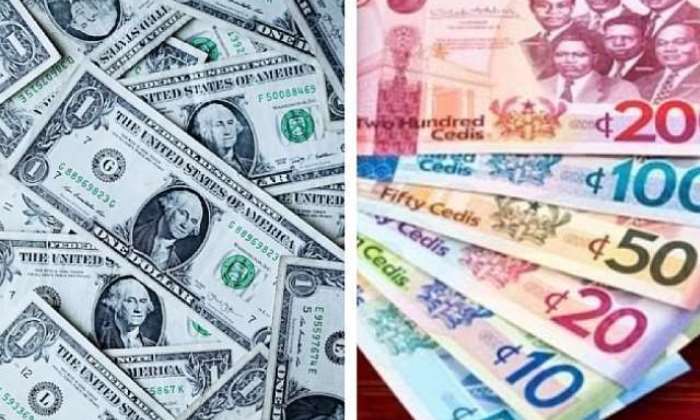

The Ghanaian cedi has depreciated slightly in value against the US dollar on Wednesday, May 13, 2026, compared to the rates on Tuesday.
On a day of mixed signals for Ghana’s currency, the latest bid and ask figures show the cedi trading at GHS12.15 to the dollar on the open forex market, while the Bank of Ghana’s (BoG) interbank window quoted a slightly firmer rate of GHS11.31 per dollar. The divergence between the two markets underscores the ongoing frictions between informal market dynamics and the central bank’s policy framework.
What the numbers suggest for traders and consumers
- Market micro-dynamics: The forex market in Ghana continues to exhibit a degree of price discovery influenced by demand pressures, portfolio flows, and sentiment around macroeconomic fundamentals. A sell rate of GHS12.15 at the open market indicates that the cedi remains under pressure relative to a year of stabilization expectations, even as the BoG interbank rate remains comparatively more favorable at GHS11.31.
- Price gap implications: For exporters, importers, and travelers, the gap between the open forex rate and the BoG interbank rate can translate into differing cost bases for USD-denominated transactions. Some entities might prefer interbank trading to lock in a rate, while others operate in the freer market where spreads can widen.
What drivers are at play?
- External pressures: A combination of global dollar strength, commodity price movements, and inflows/outflows from portfolio investments can influence demand for dollars and, by extension, cedi depreciation.
- Domestic policy signals: The BoG’s stance on liquidity management, interest rate paths, and inflation expectations often filters through to the daily pricing of the currency on both the interbank and open markets.
- Market sentiment: Local news, fiscal policy outlooks, and anticipated reforms can shift market participants’ appetite for risk, thereby affecting the exchange rate trajectory in the short term.
What this means for businesses and households
- For import-dependent sectors, higher dollar costs can feed into pricing, affecting consumer goods, electronics, and fuel-related items. Businesses may respond by negotiating hedges, adjusting payment terms, or passing costs through to end consumers.
- For remittance and travel: Travelers and workers sending money home may see different exchange outcomes depending on whether they transact on the open market or through the interbank channels. Smart planning around payment timing can mitigate some impact.
- For savings and investments: A depreciating cedi generally raises the value of dollar-denominated assets in local currency terms, but it can also create volatility that affects risk premiums and returns on local instruments.
What to watch next
- Central bank communication: Any clarification on exchange rate policy, FX liquidity measures, or inflation-targeting steps could shift markets. Investors will be listening for guidance on how the BoG intends to balance price stability with growth objectives.
- Inflation trajectory: Persistent inflation can undermine confidence in the currency and influence the pace at which the BoG adjusts policy rates and liquidity tools.
- Market liquidity: Interventions or policy moves that improve daily liquidity in the FX market could narrow the gap between the forex market rate and the BoG interbank rate over time.
Practical tips for readers
- If you’re importing goods or paying international invoices, consider pegging payments to the interbank rate when possible, or using hedging strategies to reduce exposure.
- For small businesses and individuals, monitor both rates daily and set thresholds for exchange-rate risk management. Small shifts can accumulate into meaningful cost differences over time.
- Stay informed: Regular updates from the BoG and reputable financial institutions can help you navigate the short-term volatility that often accompanies macroeconomic announcements and policy cycles.
In summary, May 13 presents a snapshot of a currency landscape where the cedi shows weakness against the US dollar, with the forex market at GHS12.15 per dollar and the BoG interbank rate at GHS11.31 per dollar. The broader takeaway remains that currency movements are influenced by a blend of external pressures and domestic policy signals, and participants should remain vigilant and proactive in managing FX risk. The Ghanaian cedi’s path will hinge on policy reliability, inflation containment, and the rhythm of capital flows in the weeks