
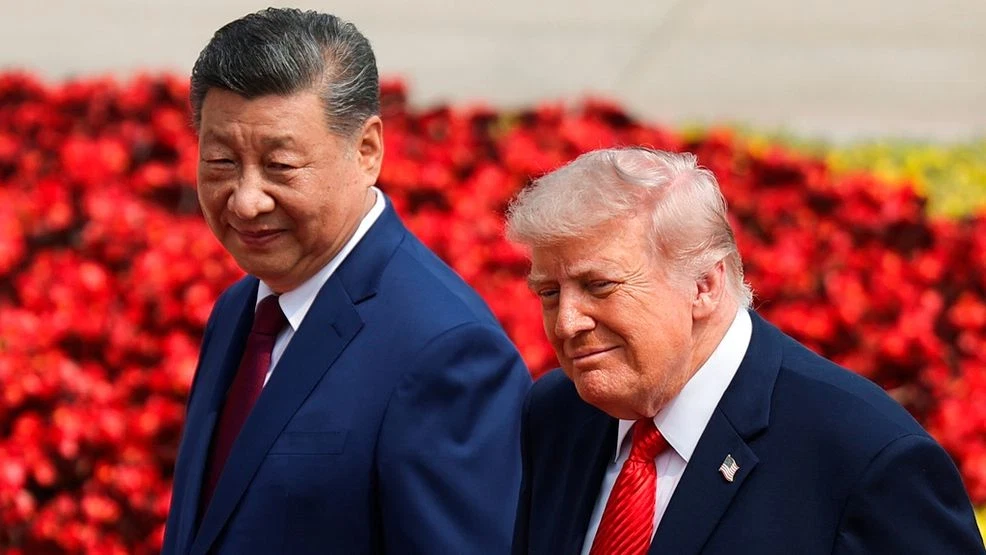
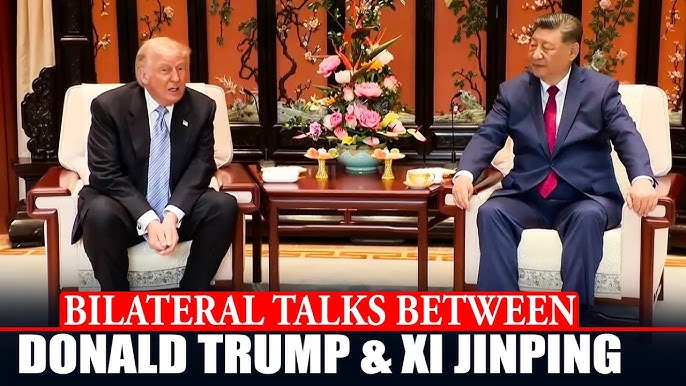
In a carefully calibrated moment after wrapping up a two-day summit with China’s Xi Jinping in Beijing, US President Donald Trump issued a stark warning to Taiwan: don’t move toward formal independence. The remark underscores the tightrope Washington walks as it navigates a long-standing alliance with Taiwan while trying to preserve a fraught but essential relationship with Beijing.
Core message and timing
US President Donald Trump has cautioned Taiwan against formally declaring independence from China. The warning lands just hours after his meeting with Xi, highlighting how headlines from the summit can echo in unexpected places across the region. The administration has long walked a line between supporting Taiwan’s self-defense and avoiding a direct confrontation with China over sovereignty.
A direct quote that frames the stance
“I’m not looking to have somebody go independent,” the US president told Fox News on Friday, at the end of his two-day summit with his Chinese counterpart Xi Jinping in Beijing. The rasp of that line sits against a broader US goal: deter Taiwan’s formal declaration while preserving a working relationship with Beijing that is essential to regional stability and American interests.
What Taiwan’s leadership has said
Taiwanese President Lai Ching-te has previously stated that Taiwan does not need to declare formal independence because it already sees itself as a sovereign nation. This assertion of sovereignty, unstated in a formal declaration, has been a practical approach for Taiwan as it navigates international space and cross-strait tensions.
US policy and the delicate balance
The US has long supported Taiwan, including being bound by law to provide it with a means of self-defence, but has frequently had to square this alliance with maintaining a diplomatic relationship with China. The tricky calculus is not just about security commitments, but also about signaling to Beijing that Washington remains a steady, if cautious, partner to Taiwan in terms of defense and diplomacy.
What Trump’s comments signal about the broader strategy
Trump earlier said he had “made no commitment either way” about the self-governing island – which China claims as part of its territory and has not ruled out taking by force. That line reflects a flexible, if ambiguous, stance designed to keep options open while signaling limits to Taiwan’s potential moves.
Implications for regional security
- Taiwan’s strategic maneuvers: Officials in Taipei may recalibrate messaging and policy stances to avoid triggering repercussions from Beijing while maintaining international support.
- US-China dynamics: Washington’s posture on Taiwan continues to be a litmus test for its broader engagement with Beijing, especially on trade, technology, and military deterrence.
- Global markets and alliances: The cross-strait issue remains a barometer for regional stability. Investors and allied nations will be watching for how the US communicates its commitments and how Beijing interprets those signals.
A nuanced takeaway for readers
Independence rhetoric aside, the real issue is deterrence and diplomacy. The US position seeks to deter unilateral moves toward independence while keeping channels open with both Taiwan and China to prevent miscalculation and conflict. For Taiwan, the challenge is preserving autonomy in practice, even as it avoids provocative steps that could escalate tensions. For the US, the challenge is upholding security guarantees and regional influence without inflaming a volatile relationship with Beijing.