
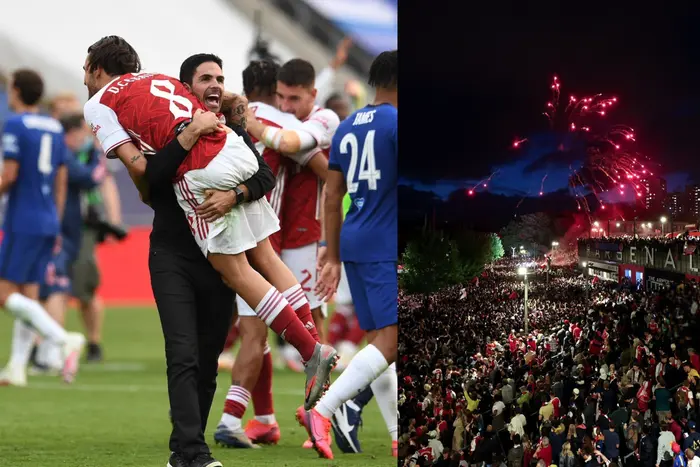
In the dim glow of debate-filled seasons past, a spark glowed faintly in North London. It was not merely a tactical tweak or a new signing that re-ignited the city’s love for the red-and-white. It was something more stubborn, more hopeful: belief. And when belief hardens into a plan, a team stops merely competing and begins rewriting its own legend. Arteta awakened the fans, and the rest, as they say, followed.
The summer when Mikel Arteta took the helm felt like a hinge moment. The club had endured a partisan tug-of-war between impatience and optimism, between the memory of glories and the murmur of acknowledging reality. Then the Spaniard arrived with a blend of quiet authority, precise philosophy, and an unflinching willingness to stare at hard truths. He did not promise miracles, but he did promise a process—a rebuild not just of players but of identity. And the city began to listen.
Arsenal rewrote history not with a roar of inevitability, but with a series of small, cumulative steps. There were the stubborn signings that fit a long-term plan, the academy graduates who stepped up when the fixture list tightened, and the tactical shifts that turned a squad with potential into a team with teeth. It wasn’t about a single spectacular moment; it was about a sustained elevation of standards, culture, and expectation. Each victory felt earned, each setback navigated with a blueprint. Fans aren’t seduced by overnight miracles; they are won over by a path that looks inevitable in hindsight. Arteta offered that path.
And then there was the moment when the football gods finally answered their call. Not through fate alone, but through the blend of talent meeting opportunity, and a manager who orchestrated both. The narrative of this era isn’t just about a trophy that finally arrived after two decades of drought; it’s about the transformation of a club through continuity, discipline, and an unyielding belief in a shared purpose. The stadium filled with more than noise; it carried a renewed faith that the project was real, not rhetoric. In those echoes, you could hear the old Arsenal—a history-rich club—reconciling with a modern era that rewarded patience and clever construction.
Let’s pause to name the headline moments, the milestones that carried this arc from “possible” to “unavoidable.” It began with a series of intellectual victories: wins built on a consistent pressing structure, a defensive unit that learned to play with composure under pressure, and a midfield engine that could both defend and create. It continued with a recruitment strategy that prioritized balance—young talents with the hunger to grow and established players who could anchor a system. Critics who once doubted whether this model could survive at the highest level were suddenly arguing over nuances rather than fundamentals. The rebuild was no longer a rumor; it was visible in the way the team moved on the pitch, the way the scoreboard read, the way the crowd responded when the stadium lights flickered to life on matchday.
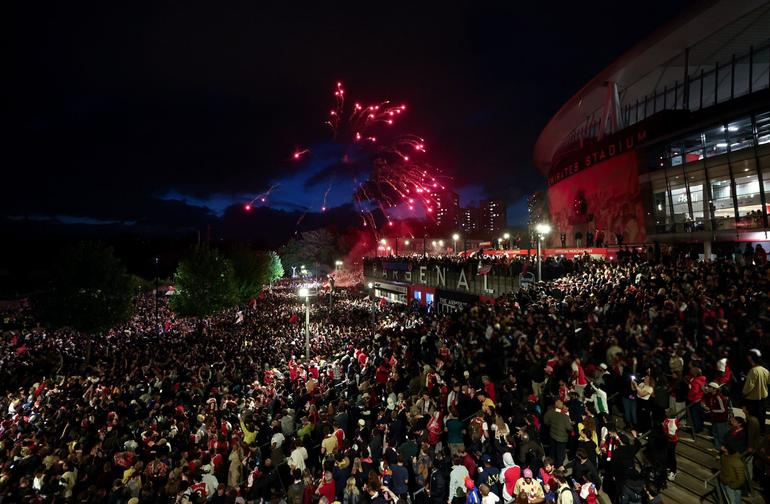
Yet sport, by its nature, remains unpredictable. Even as the blueprint matured, the emotional dynamics of football—chance, momentum, fatigue, injuries—surged through the season like a tide. Arteta’s approach proved resilient, adapting to the ebbs and flows with a calm that betrayed his years and a ruthlessness that betrayed his humility. The players mirrored that growth; they played with a confidence that felt earned rather than promised. And the fans, finally buoyed by consistent gains rather than speculative promise, emerged from years of waiting not to celebrate prematurely, but to savor a victory with the authority of someone who knows what comes next.
The phrase “Arsenal end 20+ years of waiting to win the Premier League under Mikel Arteta” isn’t just a line in a match report. It’s the punctuation at the end of a long, patient sentence written by a club that had learned to value process over