

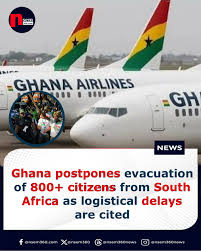
As tensions flare and timelines shift, the latest update on Ghana’s evacuation mission from South Africa reveals a pause that’s drawing headlines and questions alike. The plan to bring home hundreds of stranded nationals hit an unexpected snag, prompting questions about logistics, safety, and timing in a crisis that has both regional impact and human faces at the center.
Key context
- South Africa has been the focal point for a large-scale repatriation drive amid ongoing concerns and a surge of anti-migrant sentiment in certain areas. The delay underscores the complexity of coordinating multiple agencies, ensuring legal clearances, and managing large crowds when timelines collapse under pressure.
- An incident that amplified public outrage involved a viral video showing the assault of a Ghanaian man. These images intensified scrutiny over how evacuation operations should be conducted, and why governments must balance speed with due process and safeguard everyone involved.
What happened and why the delay?
- On May 21, 2026, Ghana announced that the evacuation of more than 800 of its citizens from South Africa would be delayed. The Ministry of Foreign Affairs cited the large number of evacuees and the legal clearance procedures required by South African authorities as the primary reasons for postponement.
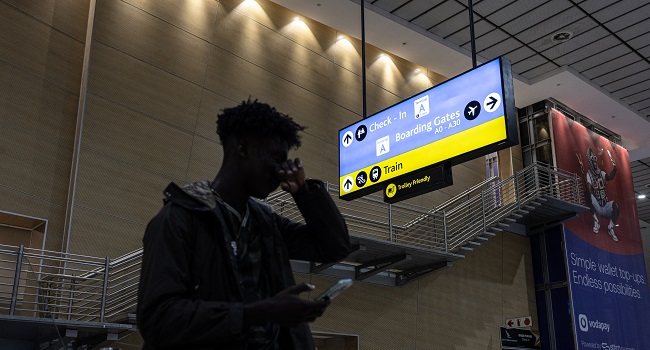
- The pause comes after a difficult start earlier in the week, when an evacuation flight failed to materialise and caused stranded nationals who had gathered to board the flight. Reports and photos from OR Tambo International Airport in Ekurhuleni captured the frustration and confusion of those awaiting departure.
On-the-ground realities
- The complexity of crossing borders during a volatile time means that even well-intentioned missions face procedural hurdles, including visa and quarantine checks, flight permissions, and safety protocols for large groups.
- National agencies are balancing the urgency to reunite families with the need to adhere to international and host-country regulations, all while ensuring the safety of evacuees and staff.
Reactions and optics
- The public response has been a mix of sympathy for those stranded and criticism directed at the seeming blurriness of the evacuation timeline. The incident at OR Tambo and the subsequent delay have become talking points about preparedness, communication, and accountability in crisis airlifts.
- Anian national Silvester Boakye reacts at OR Tambo International Airport in Ekurhuleni on March 21, 2026, after an evacuation flight failed to materialise, leaving stranded nationals who had gathered to board the flight. This line captures the palpable frustration and the human cost behind the official updates.
What’s next
- Ghana’s foreign affairs apparatus indicates the operation is far from canceled; it’s recalibrated and rescheduled in light of procedural needs and emergent circumstances. The aim remains to repatriate citizens safely and efficiently, but timelines will depend on completing the required clearances and ensuring the safety of all involved.
- Stakeholders— evacuees, families, and the broader Ghanaian diaspora—should stay tuned to official channels for the latest guidance, as authorities work through the administrative steps necessary to execute the mission.
Direct reference for context
- Ghana said on May 21, 2026 it has delayed the evacuation of more than 800 of its citizens from South Africa after a viral video showing the assault of a Ghanaian man triggered outrage amid anti-migrant violence. The evacuation exercise, initially scheduled to begin on May 21, was postponed because of the large number of evacuees and legal clearance procedures required by South African authorities, Ghana’s Ministry of Foreign Affairs said on May 21, 2026. (Photo by
Note: The quoted descriptions summarize evolving developments and include the supplied phrasing to reflect the timeline and public-facing statements. For ongoing updates, refer to the Ghana Ministry of Foreign Affairs and official South African authorities.