

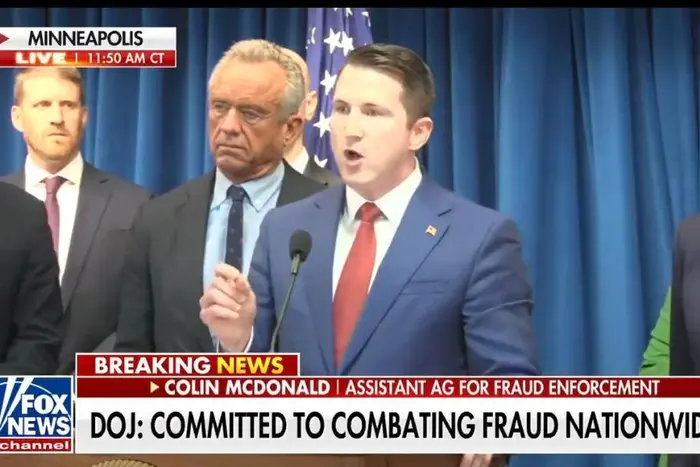
In a move that signals a new era of international financial accountability, the United States has issued a stark warning to fraudsters across the globe: your days of freedom are numbered. The message isn’t just bravado; it’s backed by a sharpened legal toolkit, expanded international cooperation, and a commitment to tracking down stolen money no matter where it hides.
The backdrop: a global audience of cybercriminals, investment scammers, and elder fraud rings who operate in a murky borderless world. From ransomware to wire transfer fraud, the schemes are increasingly sophisticated, and the losses are mounting. The crackdown isn’t just about punishment; it’s about dismantling the criminal networks at their core and returning stolen funds to victims.
A clear, uncompromising stance
Public officials have framed the crackdown as both preventive and punitive. By signaling that law enforcement will pursue offenders relentlessly, the U.S. aims to deter bad actors before they can monetize their schemes further. The policy playbook leans on aggressive prosecutions, asset seizures, and robust cross-border cooperation with foreign allies to trace and recover stolen money.
The cornerstone of this approach is transparency. Lawmakers and prosecutors are making it explicit that no corner of the globe is safe for fraudsters, and that cooperation with international partners will only intensify. This is not a one-off raid; it’s a sustained campaign intended to disrupt the financial lifelines of criminal enterprises.
A key voice in the campaign
The push comes with a steady drumbeat from senior U.S. officials who argue that fraud harms people, businesses, and the global economy. The public statements emphasize accountability, the severity of penalties, and the practical steps being taken to claw back illicit gains. Through press conferences, international summits, and coordinated actions, the message is unified: better oversight, sharper enforcement, and a long memory for those who profit from deceit.
The exact language of the campaign matters as much as the action. By framing the crackdown in moral terms — protecting the public, defending markets, restoring trust — officials hope to mobilize international cooperation and encourage victims to come forward.
The policy toolkit: what’s changing
1) Prosecution with teeth
- Stronger indictments and expanded jurisdiction for cross-border fraud cases.
- More resources for prosecutors to pursue complex financial crimes, including money laundering and shell company schemes.
2) Asset recovery as a top priority
- Expanded powers to freeze and seize assets connected to fraudulent activity.
- Mechanisms to repatriate funds to victims, with fast-track restitution where possible.
3) Global collaboration
- Joint task forces with international law enforcement partners.
- Shared databases, better information exchange, and harmonized legal standards to speed up investigations.
4) Proactive enforcement
- Increased outreach to financial institutions to spot red flags.
- Real-time monitoring of suspicious transactions and rapid response protocols.
5) Victim-centered measures
- Support for victims through dedicated hotlines, resources, and aid in filing claims.
- Public awareness campaigns to prevent scams and educate on warning signs.
The human cost behind the headlines
While the rhetoric is combative, the human impact is the real driver. Fraud devastates households, erodes trust in markets, and costs economies billions of dollars annually. The U.S. crackdown is framed as a shield for everyday people and legitimate businesses alike. When authorities succeed in recovering funds and dismantling schemes, victims regain more than money—they regain confidence in the safeguards that keep commerce fair and transparent.
What this means for fraudsters
Your days of freedom are numbered. This isn’t a rhetorical flourish—it’s a strategic warning. For criminal networks, the calculus changes: the risk of detection, the probability of interception, and the likelihood that funds will be traced and returned to victims has never been higher. The intensified crackdown creates a real cost to illicit operations, forcing criminals to consider altering their methods, relocating activities, or abandoning schemes altogether.
For legitimate enterprises and individuals, the message is equally practical: stay compliant, report suspicious activity, and stay informed about evolving enforcement trends. Financial ecosystems that prioritize transparency and security are harder for fraudsters to exploit, and that’s precisely the objective of the current push.