

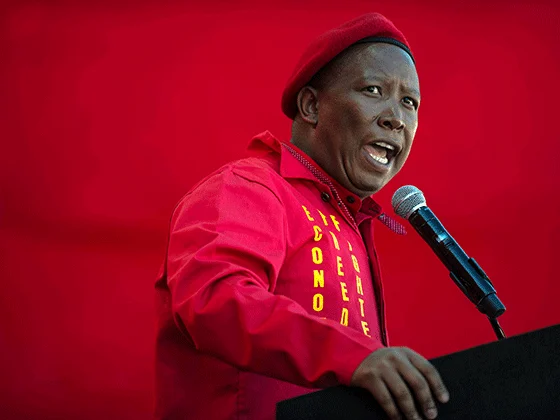
In the tangle of regional politics, timing is everything. Julius Malema, the polemical voice of South Africa’s EFF, has weighed in on a delicate issue: Ghana’s rapid evacuation of its citizens from South Africa amid fears of xenophobia. His stance cuts to the heart of how nations balance protection at home with diplomacy abroad. If you’ve been following the debate, you’ve likely seen headlines about migration, xenophobia, and the thin line between swift action and overreaction. Here’s a sharper look at what Malema’s critique signals for diplomacy, leadership, and the broader African political psyche.
The core claim: a call for diplomacy over haste
Malema’s message centers on a simple, provocative claim: Accra was too quick to repatriate nationals over fears of xenophobia. In other words, he argues that fear-driven decisions can escalate tensions, isolate communities, and inadvertently normalize displacement as a first resort. The herd instinct to shield citizens is powerful—especially in contexts where xenophobia looms as a real threat. But the counter-pressure is equally real: delays can be costly, leaving problems festering and suspicions rising. Malema’s critique is not a blanket condemnation of protective actions; it’s a call to channel those actions through diplomacy, not panic.
Why diplomacy matters in a regional crisis
- Stabilizing narratives: When governments act in concert, rather than in isolation, they reduce the risk of misinterpretation. Diplomacy helps translate fear into concrete, shared protocols—clear timelines, safe corridors, and transparent communications.
- Protecting citizens without stigmatizing them: Evacuation decisions can easily stigmatize migrants. A diplomatic approach frames relief as a common concern of all Africans, rather than a blame game between countries.
- Setting precedents for future incidents: Spain, the U.K., and others have faced similar dilemmas. The way African states coordinate evacuations could set regional norms that benefit everyone, reducing chaos during future shocks.
A nuanced angle: “too quick” vs. “too slow”
Malema’s remark sits in a gray zone. If Accra waited for perfect evidence, people might suffer unnecessary risk. If it acted too swiftly, it could provoke accusations of hostility toward Ghanaians abroad. The sweet spot—arguably—lies in a rapid, transparent assessment that leverages bilateral and regional diplomacy: joint task forces, cross-border hotlines, multilingual public advisories, and rapid repatriation plans that protect dignity and safety.
What the EFF leader’s stance signals for South Africa’s diplomacy
- Elevating dialogue as a strategic tool: The EFF leader’s call for diplomacy underscores the importance of dialogue-driven crisis management. It suggests ministers and ambassadors should prioritize open channels, not posturing on social media.
- Reframing xenophobia as a shared regional challenge: Instead of treating xenophobia as a domestic issue to be contained, Malema’s stance invites a regional conversation about common triggers—economic stress, misinformation, and social competition for resources—and how to address them collectively.
- Encouraging accountability without demonization: When leaders speak of rapid evacuations, they must also address the root causes of fear. Diplomacy, in this frame, includes public education campaigns and credible, evidence-based safety assurances for both nationals abroad and foreign residents.
A clever editorial take: rhetoric, reality, and the risk of misinterpretation
Malema’s comments are catchy and provocative—the kind of rhetoric that stirs readers and gets clicks. Yet underneath, the real question is how governments translate rhetoric into responsible action. The risk is twofold:
Moral hazard: If regional leaders frame evacuations as a misstep by others, it can foster a blame game rather than collaborative problem-solving.
Over-correction: If a country feels branded as hostile toward its own citizens abroad, it might pull back on necessary protections, leaving people vulnerable in hot spots.