

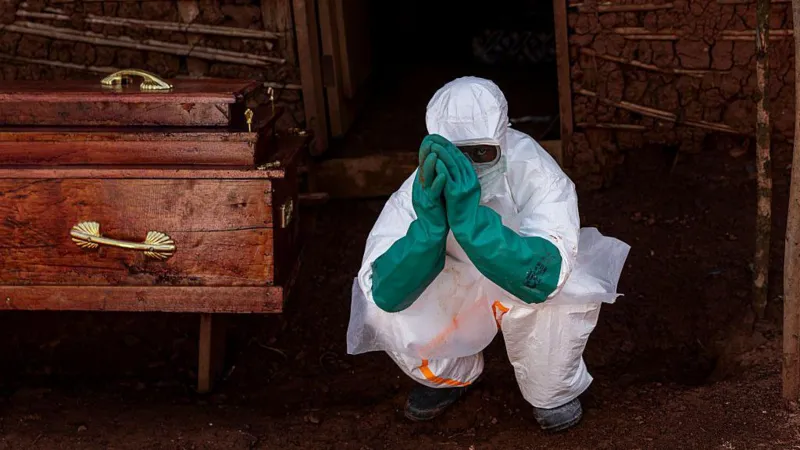
In the east of the Democratic Republic of Congo, health workers are on the front lines of one of the world’s most challenging health crises. Ebola treatment is more than just medical care; it’s a careful, high-stakes blend of clinical skill, community trust, and unwavering attention to safety. Here’s how teams are balancing compassionate care with strict protection to keep patients and themselves safe as cases rise.
Racing against the clock to ease suffering
- The moment a patient with suspected Ebola arrives at a treatment center, clinicians spring into action. Early supportive care—hydration, electrolyte correction, fever management, and pain relief—can dramatically improve outcomes.
- Teams are using evidence-based protocols tailored to Ebola’s realities: aggressive infection control, rapid triage, and dynamic monitoring as symptoms evolve. The goal is to stabilize the patient so they can fight the virus while minimizing organ damage and complications.
- For many patients, symptom management is the first line of defense. Nausea, vomiting, diarrhea, fever, and weakness drain the body quickly; attentive, timely care helps reduce mortality and improve comfort during what can be a brutal illness.
Staying safe while providing care
- The core of Ebola response is protection. Health workers in Ebola zones must shield themselves from exposure while delivering life-saving interventions. That means meticulous use of personal protective equipment (PPE), and adherence to infection prevention and control (IPC) practices.
- Training is ongoing and practical. Staff rehearse donning and doffing PPE, practice safe handling of contaminated materials, and run drills that simulate high-pressure scenarios to reinforce muscle memory and reduce errors.
- Communication is vital. Clear lines of guidance, real-time supervision, and peer checks help ensure every step—whether it’s a handoff between shifts or the disposal of waste—is executed safely.
A broader toolkit to minimize transmission
Proper isolation is non-negotiable. All patients – suspected and confirmed – are isolated and all those who come into contact with them are supposed to wear full personal protective equipment (PPE), and use other equipment to minimise transmission. This sentence isn’t just policy—it’s the frontline promise to every patient and caregiver in the system.
In addition to PPE, health workers deploy a suite of tools designed to minimize spread. Routine cleaning and disinfection, safe burial practices, and careful management of patient flow within facilities reduce opportunities for transmission.
Contact tracing remains essential. Identifying and monitoring anyone who may have been exposed helps to contain outbreaks before they spread further.