
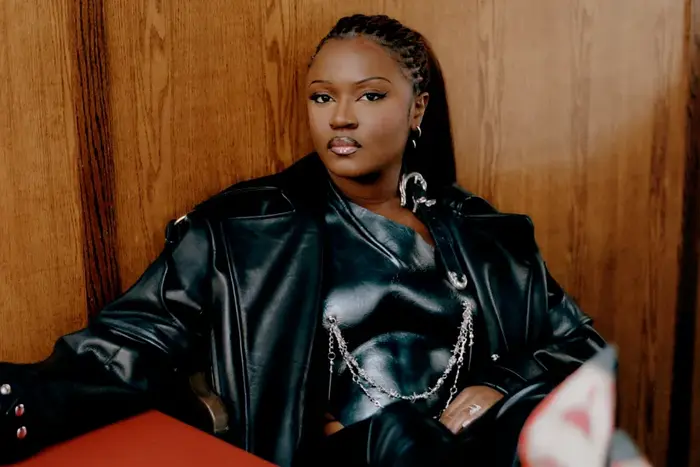
In a moment that highlights how Art and humanity can cross borders, Ghanaian-American singer-songwriter Amaarae has publicly expressed concern over Ghana’s proposed anti-LGBTQ+ legislation, urging citizens to prioritise unity, human rights and national development over division.
Amaarae, known for her fearless fusion of genres and unapologetic artistry, has become more than a voice in the music scene; she’s a voice for the people. As debates over the anti-LGBTQ+ bill heat up in Parliament and social media alike, her stance underscores a broader conversation about how a nation can safeguard its cultural values while protecting the rights and dignity of all its citizens.
Why Amaarae’s position matters
- Global visibility, local impact: Amaarae’s international platform brings attention to Ghana’s internal policy choices. Her reach helps shine a light on the human consequences of legal frameworks that touch personal lives, families, and communities.
- A call for unity: In times of political contentions, leaders and artists alike are urged to model a path of unity. Amaarae’s message—prioritising unity, human rights and national development over division—speaks to the heart of what resilient communities need: cohesion, compassion, and forward momentum.
- Human rights as national development: The argument she emphasizes isn’t about endorsing or condemning a particular lifestyle alone; it’s about recognizing that protecting basic rights is foundational to stable growth, investment, education, and the well-being of every citizen.
What the conversation looks like on the ground
Ghana’s national mood around the bill is complex. Supporters argue that the legislation reflects cultural and religious values and aims to preserve social order. Critics contend that it risks marginalizing a segment of the population, chilling civil space, and violating universal human rights protections. Amaarae’s intervention places a humane frame on the debate: laws should safeguard dignity, prevent discrimination, and foster an environment where people can contribute to the country’s development without fear.
Beyond the headlines, the cultural ripple effects are worth noting. Ghana’s music, fashion, and arts sectors thrive on authentic expression and inclusivity. When leading voices in the arts speak out for human rights, they don’t merely critique a policy—they advocate for a society in which creativity, innovation, and youth can flourish without the constraints of fear or ostracism. This alignment between artistic integrity and civic responsibility resonates with audiences across generations and geographies.
A nuanced take on leadership and accountability
Amaarae’s stance prompts a broader reflection on what responsible leadership looks like in 21st-century Ghana. Leaders are tasked with balancing tradition and modernity, local values with universal human rights standards, and policy pragmatism with compassion. By calling for unity, the singer signals that development without inclusion risks fragility. When citizens feel seen and protected, they’re more likely to invest, participate in governance, and contribute to collective progress.
Her voice also emphasizes the role of public figures as caretakers of national identity. Ghanaian heritage is rich and diverse, and the country’s strength lies in its ability to weave multiple perspectives into a shared future. Advocacy that centers human dignity invites dialogue rather than deepened divisions, creating space for constructive engagement among stakeholders.