
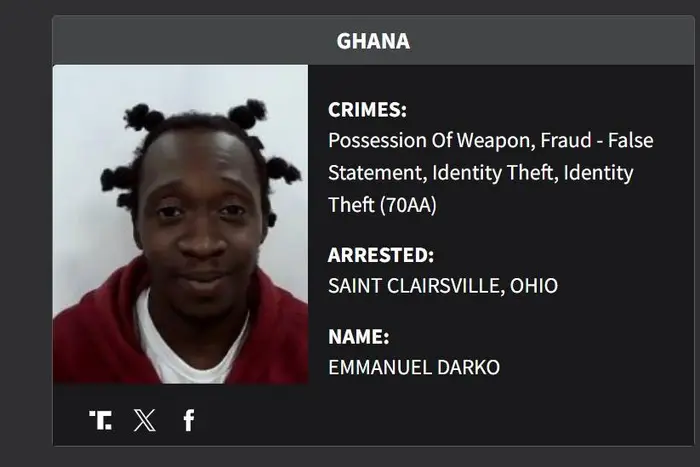
A sharp spotlight has fallen on a small, specific slice of the immigrant experience in the United States: the 32 Ghanaians listed on what some outlets call the US “worst of the worst” criminal offender database, now facing deportation. This isn’t a story about all Ghanaians in America; it’s about a particular DHS catalog and the human stories behind the headlines.
What the list is and isn’t
- The United States Department of Homeland Security (DHS) has published an online database identifying foreign nationals it describes as the “worst of the worst” criminal offenders facing deportation from the country.
- The list highlights individuals categorized by DHS as high-risk for removal due to criminal history, immigration violations, or both.
- It is not a public indictment of all Ghanaians in the US, nor does it capture every case. It’s a targeted registry flagged by law enforcement and immigration authorities.
Why this matters to Ghanaian communities
- Immigration lives are personal: families, wages, education plans, and long-term life goals hang in the balance when someone is placed on a removal trajectory.
- Public attention can affect communities, local businesses, and social networks, especially in cities with sizable Ghanaian populations.
- The casework often intersects with legal aid, with advocates pushing for due process, fair hearings, and rights protection for those on the list.
What typically happens next
- Removal proceedings: DHS agents coordinate with immigration courts to determine if an individual is removable and whether any relief (such as asylum, cancellation of removal, or other programs) might apply.
- Judicial review and appeals: Defendants may challenge the charges or seek forms of relief; outcomes depend on factors like criminal history, time in the US, family ties, and country conditions.
- Potential outcomes: Deportation, voluntary departure, or, in some cases, stabilization of status if eligibility for relief or all other avenues have proven insufficient.
A closer look at the human side
Community groups, nonprofits, and legal clinics often step in to offer guidance, representation, and support for families navigating the uncertainty of removal proceedings.
Behind each name on the list is a set of personal narratives—early life in Ghana, migration for opportunity, and the complicated paths that led to the current status.
Language, access to legal representation, and understanding of the US immigration system can dramatically affect outcomes.