
In a move that instantly shifted the frame of the war discourse, Volodymyr Zelensky has called for a face-to-face meeting between himself and Vladimir Putin in a renewed bid to end the war. The Ukrainian president’s latest outreach arrives as the conflict shows no clear path to a diplomatic breakthrough, but instead keeps simmering on the frontline and in the international news cycle.
What Zelensky said, and why it matters
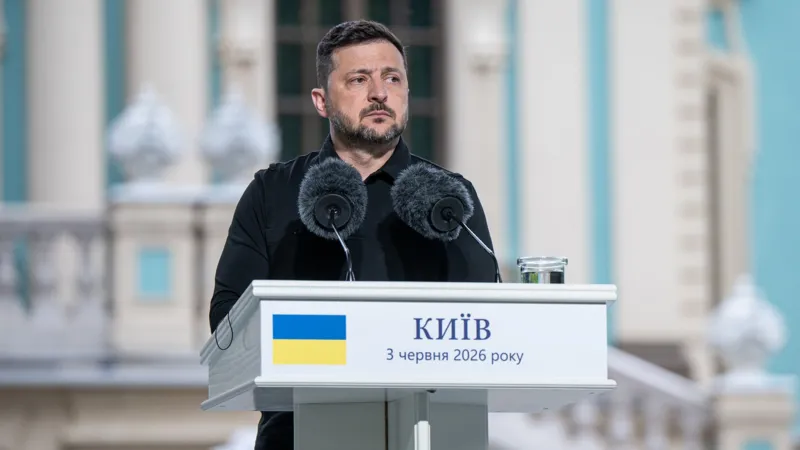
In an open letter to the Russian president, the Ukrainian leader said it would be “wrong to simply wait” until the war in Europe becomes the focus of the US’s attention once more, adding peace could only come “through direct engagement between” Ukraine and Russia. The language is purposefully direct: Zelensky puts the onus on both sides to meet, rather than waiting for third parties or shifting political priorities to do the heavy lifting.
The core demand is straightforward, but the implications are substantial. He isn’t merely asking for a phone call or a generic negotiation; he’s calling for a direct, face-to-face conversation that would (in his view) set the tone and tempo for any meaningful agreement. It’s a traditional move in international crisis management—governments often pursue high-stakes summits as a symbol and a catalyst for hard bargaining—yet the setting here is extraordinary given the current war’s brutal realities.
A ceasefire as a precondition, or the glue of talks?
He also called for a full ceasefire for the duration of proposed negotiations, a condition that would create space for talks to occur without further escalation. This is a classic negotiation principle: reduce the risk on the ground so that diplomacy is not overshadowed by renewed fighting. Putin ruled out a ceasefire earlier on Thursday, adding a new layer of complexity to the prospect of any talks starting soon. The exchange underscores how far apart the two sides remain on immediate terms, even as they entertain the possibility of a longer-term peace framework.
The international lens: who’s watching, who’s weighing in
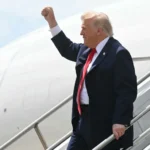
The move has drawn both cautious interest and practical skepticism from global observers. US President Donald Trump said on Thursday he thought “it would be great” if the two leaders met, hinting at a geopolitical ripple effect if a high-level meeting could occur. While Trump’s comments reflect his own外交 rhetoric and international posture, they also illustrate how a potential summit could become a focal point for broader regional and global recalibrations.
Why a face-to-face meeting now?
- Momentum and legitimacy: Direct talks could give a sense of momentum that has been hard to muster after months of grueling front-line fighting and fractured negotiations.
- Personal diplomacy: In high-stakes crises, personal engagement between leaders can sometimes break stalemates that diplomatic channels struggle to crack. Zelensky’s call for a one-on-one encounter aims to put the human element and responsibility at the center of the equation.
- A pathway to enforceable agreements: For negotiators, a face-to-face summit can be the atmosphere in which a framework agreement begins to take shape, with concrete steps and timelines discussed in real time.
What this means for Ukraine, Russia, and the broader region
For Ukraine, the call reinforces a posture of seeking direct engagement with Moscow rather than relying solely on third-party mediators or multilateral platforms. It signals a strategic preference for a negotiation channel that prioritizes Ukraine’s security guarantees, territorial considerations, and the contours of any ceasefire or peace framework.