
In the world of football, a referee’s whistle is supposed to be a neutral instrument of justice. But as global events unfold, even the most objective officials can become collateral in broader political and diplomatic tides. The latest narrative to traverse the sport’s circuitry involves Somali referee Omar Artan and the United States’ visa landscape. If you’re following the news, you’ll notice how travel policy tangles with tournament logistics, sometimes in ways fans least expect.
Key headline and direct quotes shaping the discussion
- FIFA confirms Somali referee Omar Artan will miss the 2026 World Cup after the US denied him entry.
- Somalia is on Trump’s travel ban list.
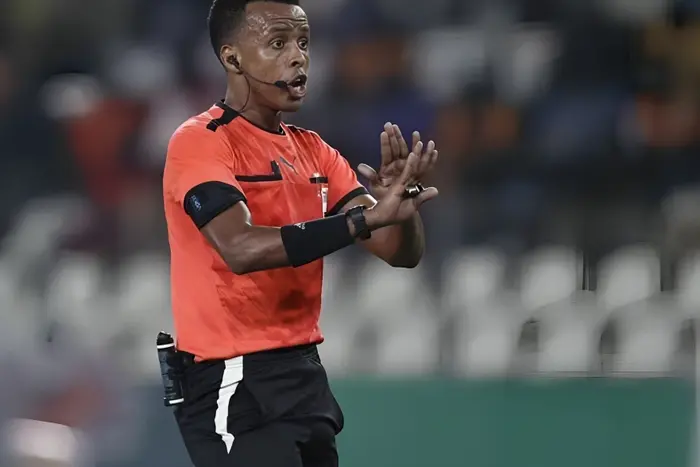
- FIFA has confirmed that Somali match official Omar Abdulkadir Artan will not take part in the 2026 FIFA World Cup after he was denied entry into the United States — a development that has raised fresh concerns about the impact of Washington’s travel restrictions on the tournament.
What this means on paper
At first glance, the situation reads like a single-sided setback: a referee unable to reach the venue due to a visa denial. However, the ripple effects extend beyond one official missing a match assignment. For FIFA, the integrity of the officiating lineup is non-negotiable, especially at a global event where teams travel from every corner of the world and the clock is always ticking. When a referee cannot participate, organizers scramble to adapt—balancing fairness, travel logistics, and the integrity of competition.
From policy to pitch: the broader implications
- Travel policy and tournament logistics: Visa denials complicate scheduling, travel arrangements, and the distribution of referees across the tournament’s many games. This is particularly sensitive when travel corridors intersect with geopolitical tensions or security concerns.
- Perception and fairness: Fans and teams may question whether travel barriers create uneven opportunities for match officials from different regions. Even a well-intentioned policy can be perceived as prejudging potential officials before a whistle even blows.
- National ties and symbolism: The line “Somalia is on Trump’s travel ban list” captures how global politics can become part of a sporting storyline. While policy aims to safeguard security, it inevitably threads into the narrative fabric of international sports, where unity and competition meet real-world constraints.
A closer look at the players in this narrative
The political backdrop: The reference to travel bans and related policies underscores how global politics intersects with sports. Fans may feel compelled to separate the sport’s joyous competition from the geopolitical realities that frame international travel.
Omar Artan / Omar Abdulkadir Artan: The human element is not just about a missed game. It’s about a professional’s career, training cycles, and the pressure of officiating a World Cup match. Referees train for years to officiate at the sport’s highest stage; a single denial can shape future assignments and career decisions.
FIFA’s stance: FIFA is tasked with upholding the tournament’s integrity while navigating a complex web of international relations and travel policies. The organization’s communications in scenarios like this aim to reassure teams and fans that officiating standards remain high, even if individual assignments shift.