

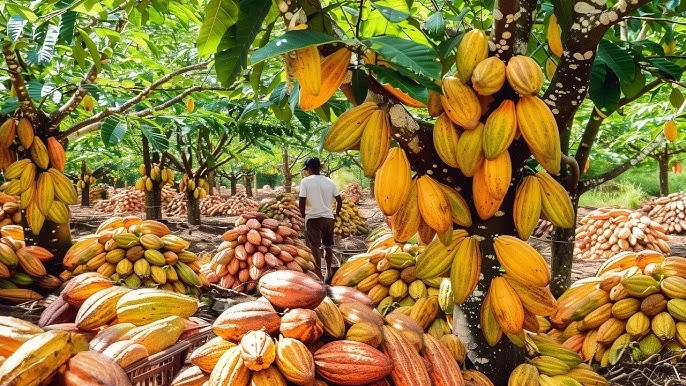
Ghana’s cocoa sector is feeling the squeeze as election timelines push back payments to farmers, triggering a ripple effect through financing, farm operations, and market sentiment. With the election calendar in limbo, the payment windows that normally fuel farmers’ weekly cash cycles have become uncertain, forcing some cooperatives to delay purchases and others to tighten operations just as mid-season harvests peak.
Why payments matter
- Farm cash flow: Cocoa farming is largely cash-driven. Delayed payments for harvested pods can stall inputs such as fertilizer and insecticide, delaying next planting cycles.
- Financing pressure: Local financiers and input suppliers rely on predictable payment flows. Uncertainty can raise borrowing costs or shrink credit access for smallholders.
- Market stability: Producers waiting on payments dampen new crop deliveries, which can widen the gap between demand and supply, pushing prices in both directions.
The broader picture
Across West Africa, policy coordination and financing reliability are crucial to keep supply chains intact. Ghana’s cocoa sector is not operating in isolation; financing, farmer incomes, and national harvest planning are deeply connected to government timelines and election-related logistics.
A note of continuity in regional cooperation
Ghana and Côte d’Ivoire have agreed to harmonise their cocoa farm-gate pricing policies as part of renewed efforts to improve farmer incomes, stabilise the cocoa market, and strengthen cooperation between the world’s two largest cocoa-producing countries. This alignment could help reduce price volatility and support more predictable revenue streams for farmers, even if election cycles introduce temporary timing frictions.
What to watch next
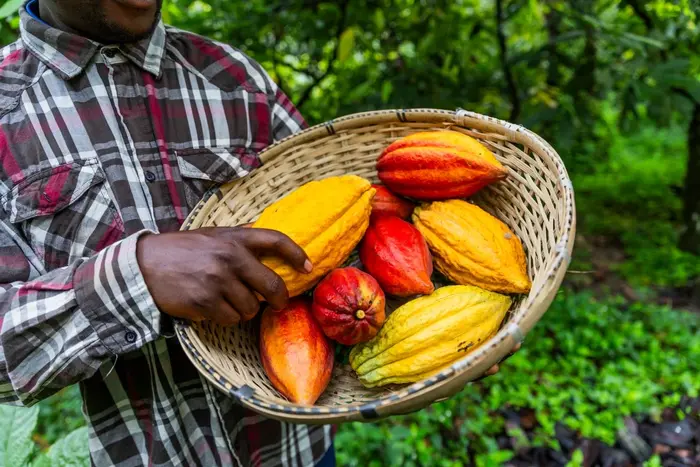
- Payment cadence: Watch for a return to regular payment cycles as election logistics resolve.
- Financing terms: Banks and microfinance institutions may adjust terms in response to late receipts; farmers should explore credit options that align with revised payment schedules.
- Farm-gate pricing: Any progress on harmonisation could create a more stable baseline for farm-gate revenues, mitigating some of the downside risk from delayed payments.
Bottom line
Delayed payments amid elections can depress cocoa purchases in the short term, but policy harmonisation and stronger regional cooperation offer a pathway to longer-term market stability and improved farmer livelihoods. Ghana and Côte d’Ivoire remain pivotal players in shaping a resilient cocoa landscape for producers and buyers alike.