

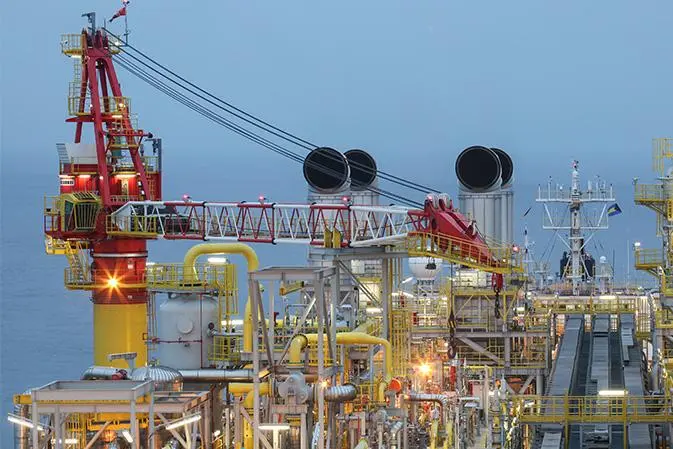
Ghana’s energy outlook is turning a corner as the country gears up for a significant rebound in oil production come 2026. After a period of decline, the sector appears poised for renewed growth, driven by strategic investments and renewed partnerships. At the heart of the optimism is a clear message from the nation’s leadership and industry stakeholders about stabilizing output, boosting exploration, and strengthening the oil and gas ecosystem.
What’s driving the rebound?
- Strategic investment agreements: New investment arrangements with industry heavyweights are tightening the screws on production efficiency and capacity. These agreements are designed to accelerate output, optimize field development, and extend the life of key offshore assets.
- Partnerships with global players: Collaborations with Eni and Jubilee Partners bring not only capital but technical prowess and best-practice governance. This blend of experience and funding is expected to lift production and improve reserve replacement.
- Sector strengthening measures: Beyond immediate field output, the emphasis is on strengthening the broader oil and gas sector—upstream efficiency, local content, and sustainable practices that foster long-term resilience.
A clear signal from the helm
Energy Minister John Jinapor has been vocal about the sector’s path forward. In recent statements, he underscored the government’s commitment to reviving Ghana’s petroleum production after a five-year decline. He highlighted that the rebound is not a one-off surge but the result of deliberate policy choices, robust investment agreements, and enhanced collaboration with key partners.
Energy Minister John Jinapor says Ghana’s petroleum production is expected to rebound after five years of decline, following new investment agreements with Eni and Jubilee Partners aimed at boosting output and strengthening the oil and gas sector.
What to watch in 2026 and beyond
- Output milestones: Expect phased increases in daily production as new fields are brought online and existing assets are optimized.
- Investment cadence: The flow of capital is critical. Continued funding for exploration, development, and infrastructure will be a primary driver of sustained growth.
- Local content and capacity-building: The sector’s rebound should translate into more jobs, technology transfer, and stronger domestic capabilities, ensuring benefits stay within the economy.
- Environmental and governance standards: With greater activity comes heightened emphasis on responsible operations, safety, and transparency to maintain public trust and investor confidence.
Why this matters for Ghana
A resilient oil sector supports government revenue, fuels domestic energy security, and anchors broader economic diversification. A successful rebound in 2026 could open doors for more investments, improved infrastructure, and stronger a favorable climate for downstream activities and related industries.
In sum
Ghana’s oil production is on track to recover in 2026, buoyed by new agreements with Eni and Jubilee Partners and a clear governmental mandate to strengthen the oil and gas sector. As the industry pivots from a years-long decline toward renewed growth, the country stands to reap the benefits of enhanced output, improved governance, and a more vibrant energy landscape.