
As day 102 of the Iran-Israel conflict unfolds, the air remains taut with the possibility of fresh clashes even as a fragile ceasefire holds for now.
Trump’s warning to Israel adds a new wrinkle to a tense landscape. The former president urged restraint, signaling that any new strikes could escalate a region already on edge. The U.S. message comes as regional powers watch closely, weighing calculus, consequences, and the ever-present risk of miscalculation.
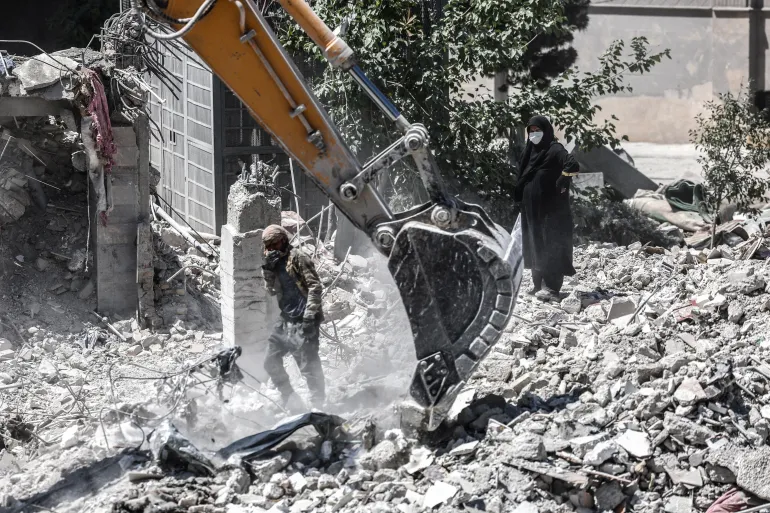
The ceasefire, brokered to stop the rapid-fire exchanges, has endured longer than many pundits expected. Iran and Israel have paused tit-for-tat attacks against each other that had threatened to unravel the fragile ceasefire in place since April 8, but tensions remain high. Tehran has warned that fighting could resume if Israel continues with its attacks, including on Lebanon. In short, the calm is contingent, and the next spark could come from any number of flashpoints.
What’s at stake day by day:
- Strategic balance: A sustainable pause limits risk to civilians and preserves some room for diplomatic maneuvering, even as hardliners on both sides push for a show of strength.
- Domestic dynamics: Leaders in Tehran and Jerusalem face domestic pressures that can push decisions toward or away from escalation.
- Regional ripple effects: Attacks or threats against Lebanon, Syria, or other neighbors could widen the conflict beyond a bilateral frame.
Analysts highlight a three-layer dynamic: battlefield realities on the ground, political signaling from capitals, and international mediation efforts that attempt to keep channels open. For now, the ceasefire holds, but the threshold for disruption remains razor-thin.
Bottom line: Day 102 is a test of restraint, even as high-stakes rhetoric—like Trump’s admonitions—underscore how fragile the pause is. If both sides calibrate their actions carefully, this lull could endure; otherwise, the tinderbox could flare again sooner rather than later.