
Introduction
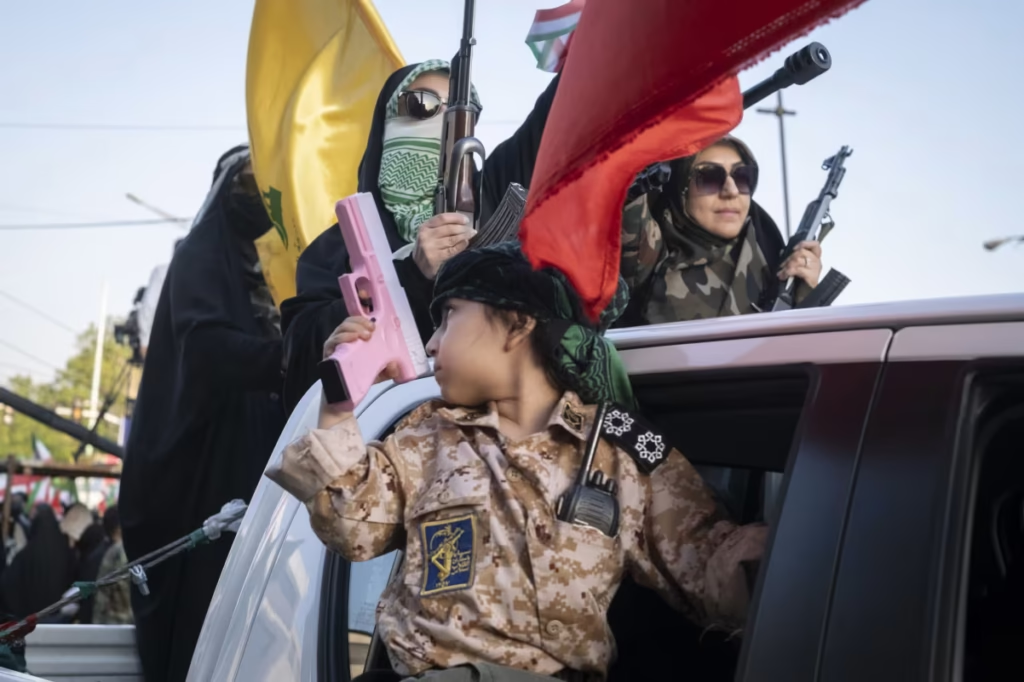
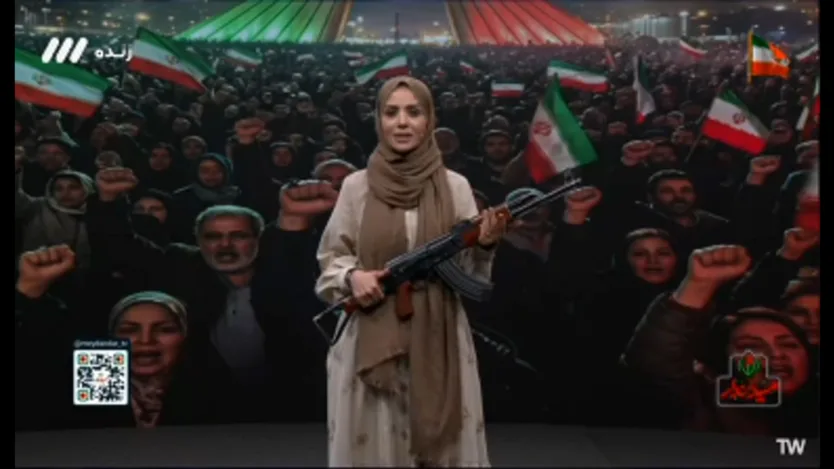
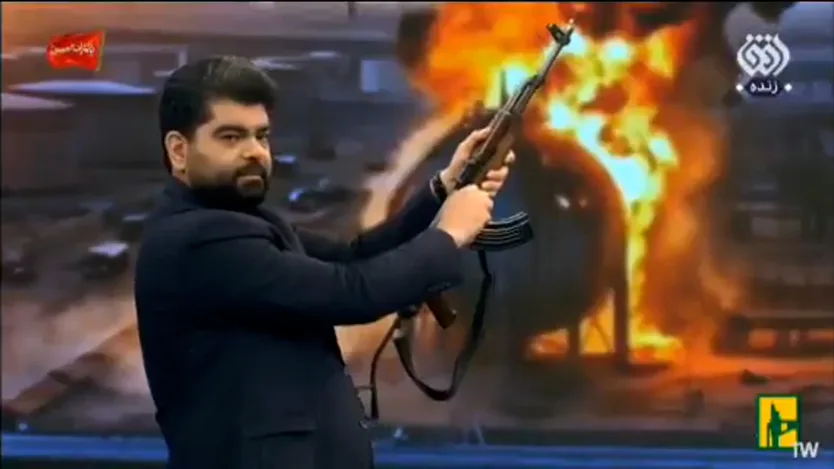
In an era when televised violence and geopolitical brinkmanship feel inescapable, viewers are bombarded with images of guns on the television and in Iran’s streets as Trump renews war threats. The juxtaposition of sensationalized gun culture at home with combustible rhetoric abroad creates a shared theater of fear, where audiences are invited to watch, react, and perhaps normalize escalation. This piece explores how media coverage shapes perception, what’s really happening on the ground in Iran, and what readers can do to stay informed without becoming overwhelmed.
The visual rhetoric of danger
Television thrives on visuals that provoke quick, visceral responses. Gun images—whether in news clips, action shows, or political ads—turn complex international events into immediate threats with clear villains and clear consequences. When you pair those images with live footage of protests in Iran’s streets, the effect is magnified: fear and urgency travel across borders in seconds, convincing viewers that crisis is ongoing and imminent, even when the facts are murky or evolving.
But there’s a delicate balance to strike. The same devices that grab attention can distort nuance. War threats are not interchangeable with actual declarations of war, and street demonstrations in Iran reflect a range of motives—political pressure, national pride, or opposition to external policy—all of which interact with, but are not reducible to, a single narrative about “war.”
Iran’s streets: a mosaic of voices
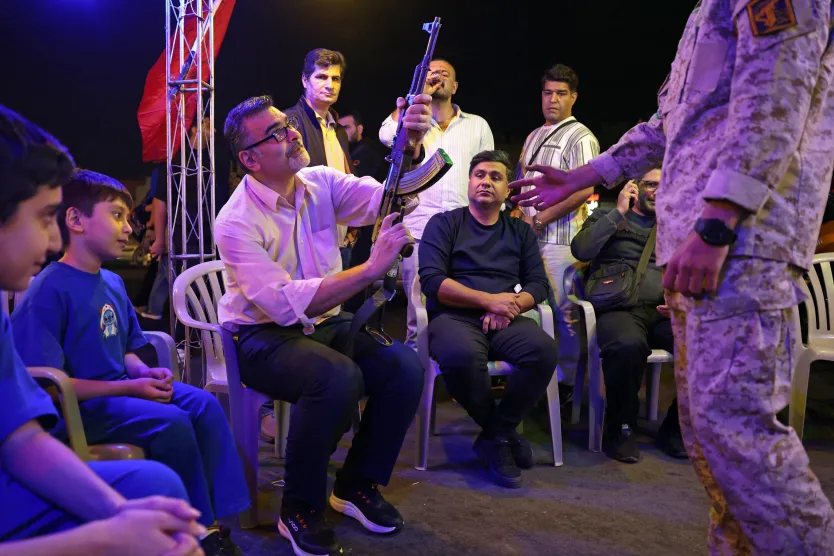
Watching the scenes from Iran’s streets requires attention to context. Protests can be a barometer of domestic sentiment, but they are also shaped by state media messaging, regional dynamics, and the internecine politics that often drive demonstrations. It’s easy to read a headline and assume uniform support or opposition among Iranians, yet street life in Tehran, Isfahan, or Tabriz often reveals a more mixed picture: frustration with economic conditions, concern about sanctions, unease over security policies, and a desire for diplomacy alongside a steadfast national sovereignty.
Media framing can amplify certain voices while muting others. When Western outlets highlight only the most confrontational chants or the largest crowds, they risk presenting a skewed snapshot. Conversely, if Iranian outlets emphasize government rhetoric or security crackdowns, viewers may misread the level of popular support or dissent. The reality is messy, dynamic, and relational—between state actors, regional neighbors, global powers, and the individuals who take to the streets.
Trump’s renewed emphasis on threats: what’s real, what’s rhetoric
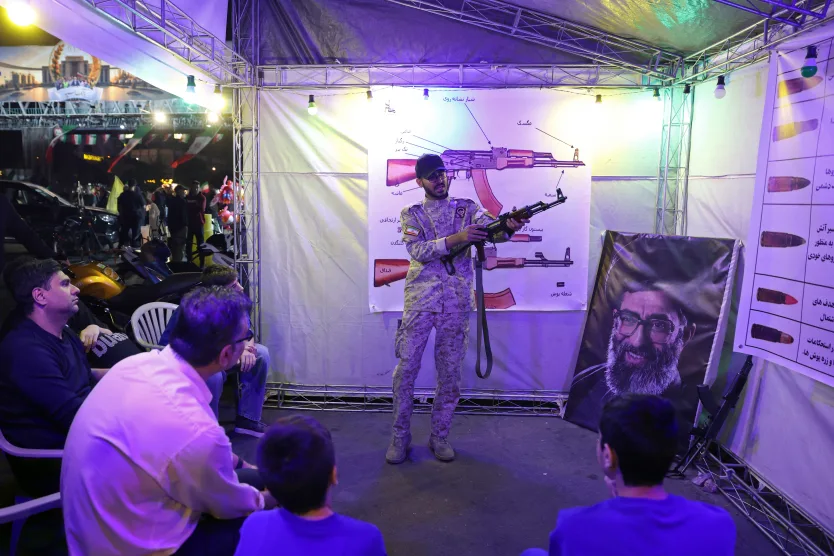
All this unfolds as Donald Trump renews warnings that Iran poses a threat, potentially escalating a cycle of retaliatory moves. It’s essential to distinguish between rhetoric and policy. Verbal threats—while alarming—do not automatically translate into new military actions, sanctions, or negotiations. Yet rhetoric can influence market confidence, alliance calculus, and the tempo of diplomacy.
For readers, the key question isn’t only “What did he say?” but “What would be the pathway from words to action?” This requires tracking official policy statements, verifying whether there are new deployments, consultations with allies, or changes in sanctions regimes. It also means listening for signs of de-escalation: talks resumed, back-channel diplomacy, or public signaling of a broader coalition of partners seeking a peaceful resolution.
The media’s responsibility: clarity over sensationalism
Given the stakes, media outlets bear a heavy responsibility to separate sensationalism from substance. Clear headlines, transparent sourcing, and explicit distinctions between opinion and reporting help audiences understand what is known, what is uncertain, and what is still to be determined.
- Clear labeling: Distinguish between verified facts, expert analysis, and opinion.
- Sourcing transparency: Indicate the origin of reports about Iran’s street protests and any new policy announcements.
- Context and history: Provide concise background on past incidents, sanctions, and negotiations to situate current events.
- Fact-checking in real time: Correct inaccuracies quickly to prevent the spread of false narratives that can inflame tensions.
Meanwhile, readers can practice media literacy: compare multiple outlets, note the tone and visual framing, and seek out primary sources such as official statements or verified briefings.
What readers can take away
- Stay grounded in verified information: When possible, cross-check with multiple reputable sources before forming judgments about the situation on the ground in Iran or the strategic posture of the United States.
- Distinguish fear from policy: Sensational visuals can create emotional reactions; policy moves—sanctions, troop deployments, or diplomatic talks—are the crucial determinants of risk levels.
- Watch for escalation cues: Increases in military posturing, allocation of defense resources, or coalition-building signals a potential shift from rhetoric to action.
- Seek diverse perspectives: Iran’s internal dynamics and regional geopolitics involve a range of voices. Broadening your sources helps prevent a single narrative from dominating.
A note on responsibility and empathy
Events like these don’t occur in a vacuum. They affect real people—families, veterans, students, and ordinary citizens who navigate fear, hunger for stability, and the desire for peaceful coexistence. Journalists, pundits, and policymakers should treat those affected with empathy and avoid dehumanizing language that can harden attitudes or justify harm.
Closing reflection
Guns on the television and in Iran’s streets as Trump renews war threats is not just a catchy phrase; it’s a lens into how modern media, geopolitics, and everyday fear intersect. By approaching coverage with critical thinking, demanding clarity, and prioritizing verified information, readers can remain informed without surrendering to alarm. The goal isn’t to normalize danger, but to understand it well enough to advocate for restraint, diplomacy, and the protection of lives on all sides of any conflict.