

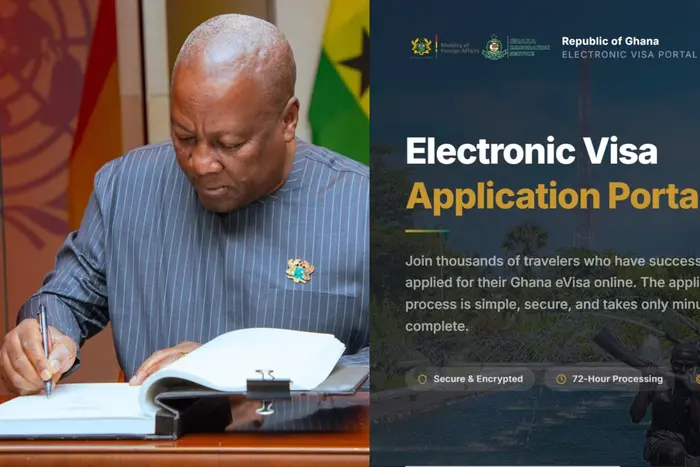
Ghana is making waves again in the push for easier travel and regional integration. The country has introduced its first electronic visa (e-Visa) service, and in a bold twist, is offering no visa fees for all Africans. This bold move could redefine travel, investment, and regional collaboration across Africa.
A bold claim, a bold move
President John Dramani Mahama has officially launched Ghana’s first electronic visa (e-Visa) service, marking a major shift in the country’s immigration and travel system. This statement isn’t just ceremonial—it signals a policy pivot that blends technology with inclusive regional diplomacy. If you’re an African traveler, this development could reduce friction at borders and open doors to opportunities from Accra to Cape Town.
So, how does it work? Let’s break down the process, the practical steps, and what it could mean for travelers, businesses, and the broader region.
What the Ghana e-Visa promises
- Simpler application process: The e-Visa system is designed to replace long queues and manual paperwork with an online portal where travelers submit information, upload documents, and receive a decision digitally.
- No visa fees for Africans: The headline feature is straightforward but impactful—no visa fees for all Africans. This aims to boost intra-African travel, tourism, and cross-border commerce.
- Faster processing times: Digital systems typically offer quicker decisions, reducing the time between application and approval.
- Greater transparency: Applicants can track the status of their application online, reducing uncertainty and potential corruption or delays in person.
- Inclusivity and regional integration: By eliminating visa fees for Africans, Ghana signals a commitment to the African Continental Free Trade Area ideals—easing movement to support business, education, and cultural exchange.
How it works in practice
- Visit the official e-Visa portal: Applicants create an account, fill in personal and travel details, and prepare required documents (such as a passport valid for a minimum period, photos, and invitation letters if applicable).
- Upload and pay (where applicable): With the no-fee policy for Africans, many applicants may not need to make a payment. If any fees apply for non-African travelers or special cases, those would be listed clearly on the site.
- Verification and decision: The system runs automated checks and flags any issues for human review. The applicant receives a digital decision via email or through the portal.
- Receive the e-Visa: If approved, the e-Visa is issued electronically and linked to the traveler’s passport. Travelers print the e-Visa to present at border control or have it available on their mobile device.
- Border arrival: At entry, border officers verify the e-Visa against the traveler’s passport and supporting documents.
Who benefits most
- African travelers: The no-fee policy lowers the cost barrier for researchers, students, families, and business travelers seeking to explore Ghana or attend events, conferences, or trade missions.
- Small and medium-sized enterprises (SMEs): Easier movement can support cross-border collaborations, supplier meetings, and regional market research.
- Tourism and culture: A streamlined visa process can boost tourism by making travel simpler and more predictable for visitors from across the continent.
- Diaspora engagement: African diasporans who frequently travel within Africa gain a frictionless corridor for family visits, joint ventures, and knowledge exchange.
What to prepare before you apply
Any vaccination records or health requirements that may be requested.
A passport valid for at least six months beyond your intended stay.
A recent passport-sized photo in the required format.
A digital copy of travel documents or invitations (if applicable).
An email address and mobile phone number for notifications.