

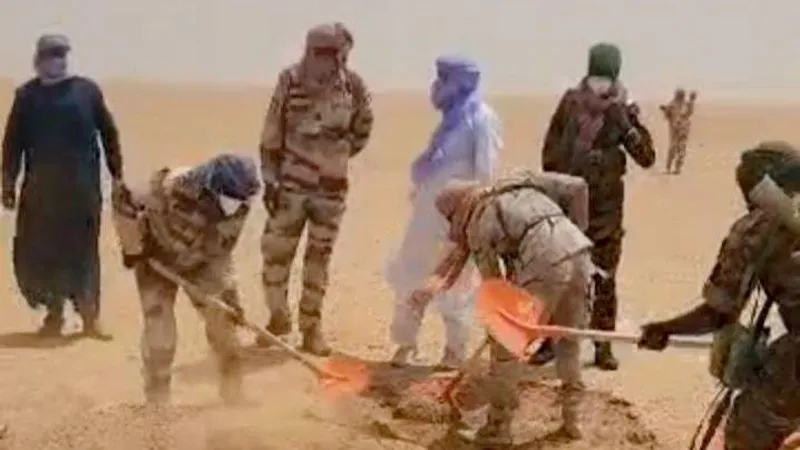
In a remote corner of the Sahara, a tragic event unfolded that underscores the perilous realities faced by travelers crossing one of the world’s harshest landscapes. Nearly 50 people died of thirst after a lorry carrying them broke down in northern Niger, leaving them stranded with no reliable water sources in extreme heat.
The group, returning from Mali where they had attended Eid al-Adha celebrations, found themselves suddenly exposed to the desert’s merciless conditions. The breakdown turned a hopeful journey into a fatal test of endurance as temperatures soared and shade was scarce. The authorities say the distance from any real water supply point compounded the danger.
“The travellers found themselves trapped in the heart of a hostile environment where extreme temperatures and lack of supply points make survival extremely difficult,” said the governor of Agadez. This stark assessment highlights how quickly a simple vehicle failure can become a life-or-death emergency when travelers are miles from civilization and far from relief.
The details, still unfolding, place the incident about 80 kilometers (50 miles) west of Assamaka, a major border crossing point between Niger and Algeria. The geography of this stretch, marked by vast sand dunes and a sparse network of roads, leaves little room for error or delay. In such terrain, even a short stoppage can become deadly if water and shade are not readily available.
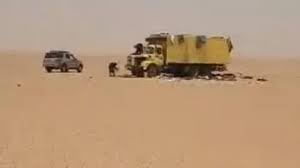
Two survivors managed to trek across the desert to Assamaka, where they alerted authorities. Their ordeal points to a broader, alarming reality: many desert routes used by migrant workers and travelers are poorly equipped to deal with breakdowns or emergencies. When vehicles fail and supplies run dry, the margin for error narrows to almost nothing.
What this tragedy reveals about the Sahara and human vulnerability is multifaceted. First, it underscores the lethal combination of extreme heat, long distances, and limited access to water. Second, it raises questions about the reliability of transport and support networks that operate in remote desert corridors. Third, it serves as a sobering reminder of how travel during festival periods or immigration-related movements can coincide with perilous conditions, especially for those already on precarious footing.