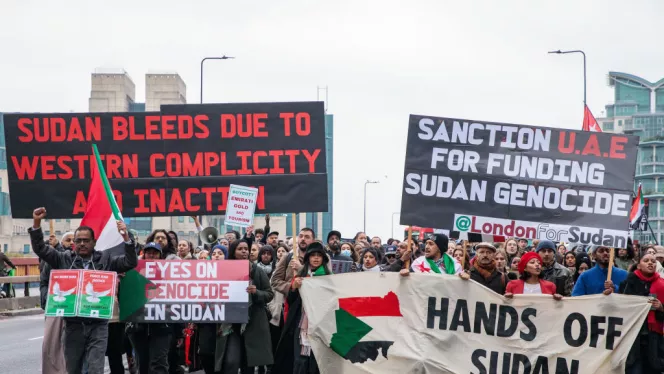

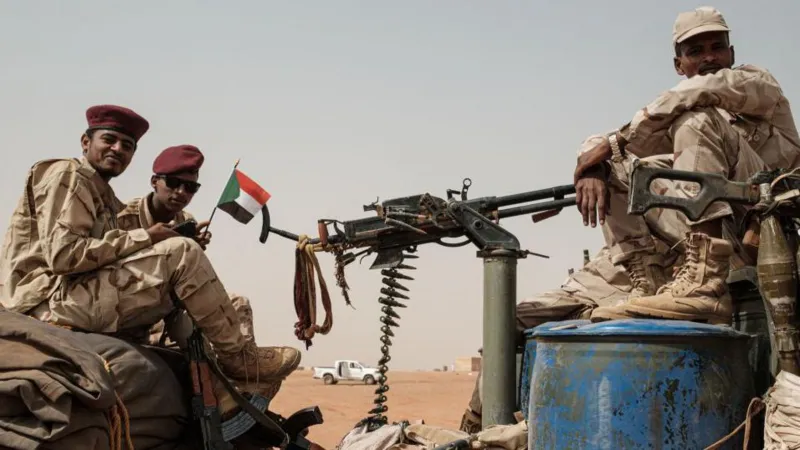
A leading rights organisation has alleged that the United Arab Emirates acted as a transit point for mercenaries headed to Sudan, tying donor nations, private security networks, and paramilitary forces into a troubling web of accountability gaps.
Key claim highlights
- The core allegation centers on a specific path: mercenaries allegedly moved from recruitment to deployment via Emirati bases, with the aim of supporting combat troops in Sudan.
- The stakes are high, given the Sudanese civil war’s toll and the ongoing debates over accountability for war crimes.
Exact statements cited by HRW
- “Colombian mercenaries were recruited by a United Arab Emirates-based company and transited through Emirati military bases to support paramilitary troops who committed atrocities in Sudan, a leading rights organisation alleges.”
- “According to Human Rights Watch (HRW), the findings are further evidence of UAE-backing for the Rapid Support Forces (RSF), which has been accused of war crimes during the Sudanese civil war.”
Context and implications
- The HRW claims tie the UAE to support for the RSF, a force accused of grave abuses in various phases of the conflict.
- If substantiated, the allegations would complicate regional diplomacy and could impact foreign leverage, sanctions considerations, and accountability mechanisms for war crimes.
What to watch next
- Ongoing investigations, corroborating evidence from witnesses and documents, and official responses from UAE authorities and other stakeholders.
- The broader impact on international aid, arms controls, and shifts in regional security alignments as more actors are scrutinized.
Note: The article reflects allegations reported by Human Rights Watch and should be followed with official responses and independent verifications as the situation develops.