

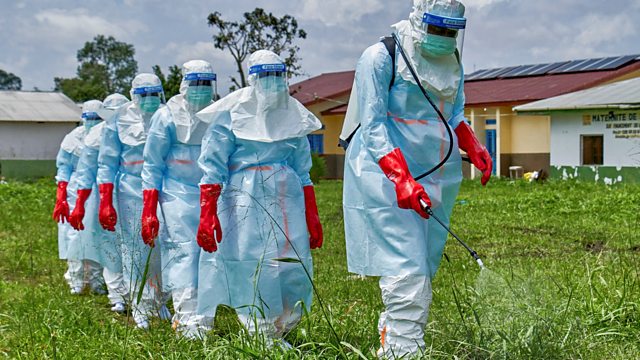
In a clear signal that the Ebola outbreak in the Democratic Republic of Congo remains a serious threat, health authorities have escalated the risk assessment. The public health risk from the current Ebola outbreak in the Democratic Republic of Congo has been raised from “high” to “very high” by the World Health Organization (WHO). In an update on Friday, WHO head Dr Tedros Adhanom Ghebreyesus also said the risk in the wider region in Africa was “high”, but it remained “low” globally.
What these numbers mean in plain terms
- Very high in DR Congo: This isn’t just about case counts—it reflects the trajectory, transmission dynamics, and challenges on the ground, such as accessing affected communities, reaching remote areas, and ensuring safe burials and rapid treatment.
- Regional risk is high: Neighboring countries face a real but more controlled risk, underscoring the importance of cross-border coordination, border health screenings, and information sharing.
- Global risk remains low: WHO’s assessment suggests limited international spread at this moment, but conditions can change quickly with population movement and incidents on the ground.
Why the assessment shifted
- Transmission patterns: Ebola outbreaks in DRC have shown that transmission can persist in pockets of communities for extended periods, especially where surveillance and vaccination efforts are uneven.
- Operational hurdles: Insecurity, limited healthcare access, and logistical constraints can slow vaccination campaigns, contact tracing, and timely isolation of cases.
- Vaccination and treatment access: The speed and reach of ring vaccination and supportive care play a crucial role in bending the outbreak’s trajectory.
What’s being done on the ground
- Vaccination campaigns: Expanding ring vaccination to protect contacts and high-risk populations, while adjusting strategies to reach hard-to-reach communities.
- Surveillance and contact tracing: Increasing teams in affected areas to track chains of transmission and rapidly isolate new cases.
- Community engagement: Working with local leaders, health workers, and trusted messengers to combat fear, dispel rumors, and encourage early care-seeking.
- Cross-border coordination: Strengthening collaboration with neighboring countries to monitor for overflow cases and harmonize response efforts.
What individuals can do
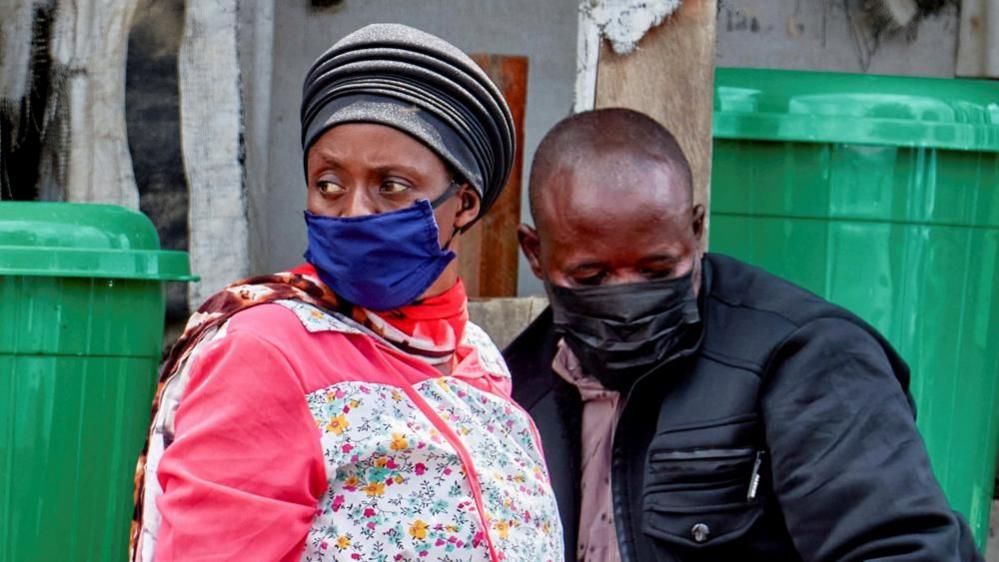
- Seek care early: If you or a loved one shows symptoms consistent with Ebola (fever, fatigue, muscle pain, vomiting, diarrhea, bleeding), seek care promptly at a designated health facility.
- Report rumors: If you hear reports of illness in your community, notify local health workers to prevent delays in detection.
- Practice safe practices: Avoid handling dead bodies outside of trained teams; follow infection prevention measures in healthcare settings.
Bottom line
The WHO assessment signals a call to action for intensified, sustained, and coordinated response efforts in DR Congo and the region. While the global risk remains low, vigilance is essential to prevent international spread. Stay informed with updates from reputable health authorities and support community-led response initiatives where you can.