

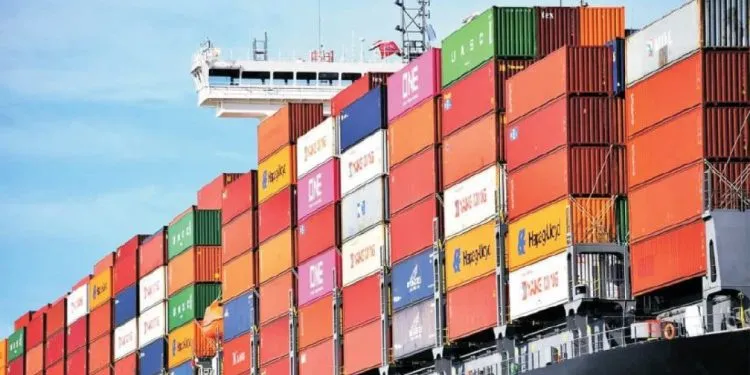
The Food and Beverage Industry Association of Ghana (FABAG) has thrown its full support behind the Ghana Shippers’ Authority (GSA) in its fight against what many exporters and importers see as unjustified port charges. This alliance signals a pivotal moment for Ghana’s trading environment, where cost structures can make or break competitiveness in the regional and global markets.
Why this matters for Ghanaian businesses
- Cost containment: Port charges ripple through the entire supply chain, affecting everything from raw material sourcing to finished product pricing. Reducing or clarifying unjustified fees can help keep production costs stable.
- Competitiveness: A predictable, fair charging regime makes Ghanaian goods more attractive abroad, especially in the competitive food and beverage sector where margins can be tight.
- Investment signal: When industry associations unite with regulatory bodies to address inefficiencies, it sends a strong message to investors that the business environment is responsive and reform-minded.
FABAG’s stance and what it means
The collaboration underscores a shared objective: to ensure port operations are transparent, fees are justified, and processes move swiftly. FABAG’s endorsement of the GSA’s efforts highlights the importance of an agile, fair port regime for the entire food and beverage ecosystem, from farmers and processors to exporters and retailers.
What the GSA is aiming to achieve
- Transparent tariff structures: Clear, published schedules that leave little room for ambiguity or discretionary charges.
- Timely clearance and reduced dwell times: Faster processes reduce holding costs and spoilage risk for perishable goods.
- Fair dispute resolution: Efficient mechanisms to challenge and resolve charges deemed unjustified or excessive.
Implications for FABAG members
- Reduced operational risk: Fewer ambiguous fees translate into more reliable budgeting and planning.
- Improved export potential: Quicker, cheaper clearance can expand market access for Ghanaian beverages, snacks, and ingredients.
- Stronger industry voice: A united front with the GSA amplifies concerns and accelerates reform.
What to watch next
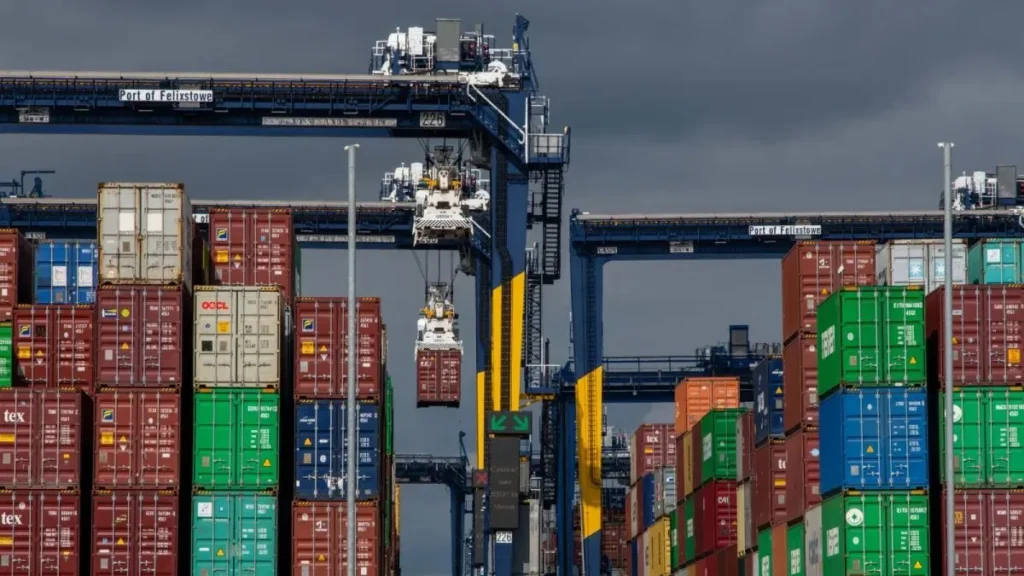
- Public engagement: Look for ongoing consultations and feedback channels where FABAG members can voice specific port charge concerns.
- Tariff reform milestones: Monitor announced timelines for tariff reviews, fee disclosures, and appeal procedures.
- Local impact stories: Expect case studies from FABAG member companies illustrating how changes affect costs, pricing, and competitiveness.