

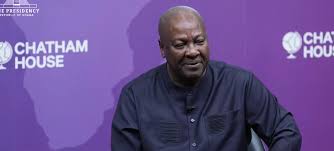
President John Dramani Mahama has indicated that the controversial Human Sexual Rights and Family Values Bill, also known as the Anti-LGBTQ+ Bill, remains far from becoming law despite its recent passage in Parliament, citing unresolved procedural and constitutional concerns.
A headline that reads like a turning point in Ghana’s cultural and legal debates often masks a much messier reality on the ground. The bill’s journey from draft to a passable piece of parliamentary theater has been swift, noisy, and deeply polarizing. Yet according to Mahama, the work is far from done: the bill now faces the long, painstaking process of legal review, constitutional scrutiny, and perhaps ironclad negotiating rooms where the bill’s language will either be reshaped or reintroduced with enough safeguards to survive a potential presidential veto or court challenges.
This situation highlights a central tension in many democracies: the speed of political signaling versus the slow cadence of legal compliance. A bill can capture public attention, spark street demonstrations, and become a talking point in the media within days. But the actual path to becoming law often travels through committees, constitutional review, and possible amendments that test the bill’s original intentions.
What Mahama’s statements signal
- Procedural and constitutional concerns: The president’s caveat indicates that the bill may have gaps in how it was introduced, debated, or codified. Ghana’s constitution and parliamentary rules demand precise language, clear definitions, and protections for fundamental rights. The mention of procedural issues suggests potential shortcomings in how the bill moved through the legislative process, including committee work, procedural timelines, or proper consultation with stakeholders.
- A legal review that could alter the bill: Once a bill is subjected to constitutional review or legal scrutiny, several outcomes are possible. The bill could be upheld, amended, or struck down on grounds such as overreach, vagueness, or conflicts with constitutional guarantees.
- A potential divergence between political momentum and legal viability: Even if Parliament passed the bill, the executive branch or the judiciary could push back, creating a standoff that delays or prevents assent.
Why this matters beyond a single bill
- Civil liberties and human rights: The core issue revolves around how a society balances cultural or religious beliefs with individual rights and protections for marginalized groups. Ghana has a robust legal and constitutional framework that, at its best, aims to safeguard civil liberties while allowing space for diverse opinions.
- International and domestic signals: Ghana’s stance on LGBTQ+ issues has long drawn international attention, but the domestic resonance—among faith communities, youth, civil society, and political parties—shapes the country’s long-term social policy. The current legal review phase could set a precedent for how future issues are navigated.
- The role of leadership and constitutional oversight: Mahama’s remarks underscore the importance of checks and balances. It’s not enough for a bill to pass in Parliament; it has to withstand scrutiny from the executive and the judiciary to ensure it aligns with the constitution and rights protections.