

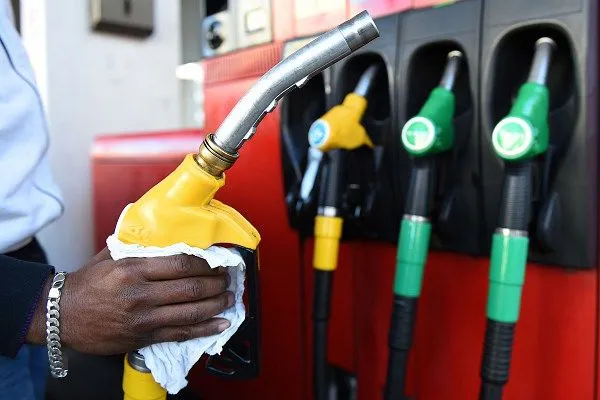
A quick look at the latest fuel policy shift and what it means for drivers and businesses.
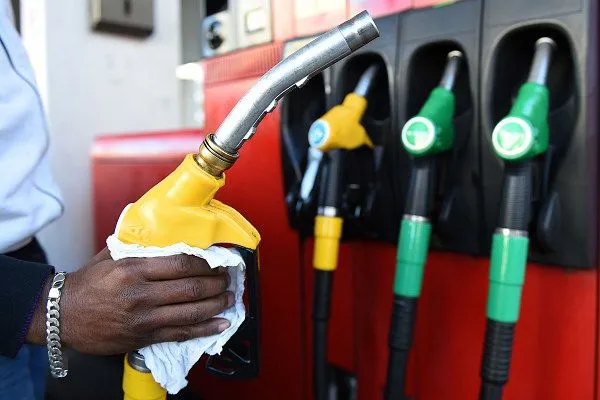
The policy tweak reflects a balancing act between consumer relief and fiscal sustainability amid evolving international oil markets. Stay tuned for follow-up statements and potential compensatory measures if global conditions fluctuate again.
What changed
The government has reversed the GHS 0.36 per litre petrol cushion and cut diesel intervention from GHS 2.00 to GHS 1.07 per litre.
This follows a Cabinet meeting chaired by President John Dramani Mahama to assess developments on the international petroleum market.
The official rationale
In a statement issued by the Ministry of Energy and Green Transition on May 15, 2026, the government said the decision followed a Cabinet meeting chaired by President John Dramani Mahama to assess developments on the international petroleum market.
According to the Ministry, government had earlier introduced temporary relief measures on April 16, 2026, by absorbing GH₵2.00 per litre on diesel and GH₵0.36 per litre on petrol to cushion consumers against increasing global fuel prices linked to geopolitical tensions.
Why it matters
Consumers will feel the impact at the pump, especially diesel users in transport and logistics sectors.
The reversal signals a shift from temporary relief toward market-aligned pricing as global prices stabilize or shift demand-supply dynamics.
What to watch next
Monitor updates from the Ministry of Energy and Green Transition for detailed timelines and any further adjustments.
Businesses should recalibrate budgeting for fuel, freight, and operations affected by diesel pricing.
Bottom line