

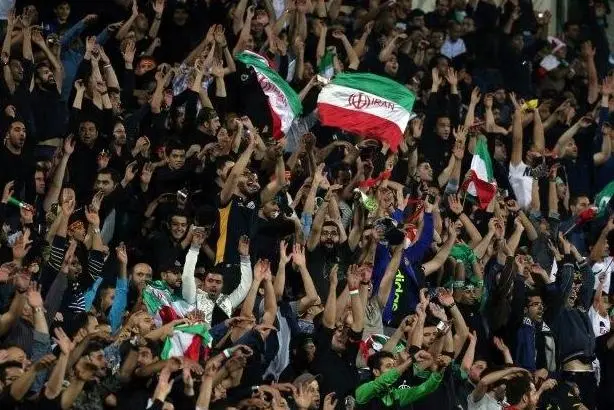
In a world where a ball’s spin can topple regimes and unite rival fans in a shared roar, politics and sports rarely stay out of the way. This week, the smoke signal wasn’t from a pyrotechnic celebration, but from a dispute that threatens to dampen the World Cup’s universal language: access. Iran’s Football Federation (FFIRI) is publicly accusing the United States of withdrawing the allocation of tickets for the national team’s group-stage matches at the 2026 FIFA World Cup. The allegation has thrown a fresh shadow across the tournament’s opening days, just as Iranian players and support staff landed in Mexico on Sunday after securing US visas — but Iranian fans face a very different reality, with their ticket allocation revoked and their World Cup attendance now in serious doubt.
The landing strip and the ticket problem intersect in a way that hints at how travel, diplomacy, and sport are in a delicate tango. Iranian players and support staff landed in Mexico on Sunday after securing US visas — a necessary step to reach the tournament’s first leg in what is typically a straightforward journey for participants, yet now appears layered with diplomatic turbulence. The contrast on the ground could not be starker: a team ready to compete, a federation doing its best to navigate a political minefield, and fans left to wonder if their names will grace the official attendance list.
What exactly is at stake? The core of the dispute rests on access — the ability of a nation’s fans to travel and watch their team live in World Cup venues. When a federation claims that a foreign government has pulled the plug on ticket allocations, the immediate questions are procedural: Were tickets officially revoked, or were there administrative redirects? Were there security or visa-related hurdles that forced changes? And, crucially, how transparent is the process for fans who have already planned flights, hotels, and watch parties that hinge on World Cup attendance?
The FFIRI’s charge—public and pointed—frames the issue in stark terms: a political decision with tangible consequences for fans who want to be in the stadiums cheering on their team. If true, it would not be the first time global tensions have bled into the World Cup, but it would be among the most high-profile instances where fans feel the pinch directly, rather than simply witnessing a geopolitical spat from afar. The federation’s statement amplifies the broader debate: should national loyalties be able to outpace the universal desire of fans to attend a world stage event, or should football stand as an apolitical arena where ticketing is decoupled from politics?
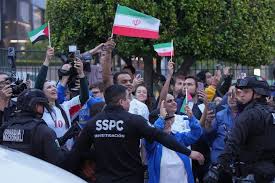
From the perspective of the teams on the ground, this development adds layers to a very familiar reality: the match schedule, the travel logistics, and the climate of the host country’s stadiums all demand careful coordination. Iran’s players, having reached this milestone—arriving with visas in hand—must still contend with the uncertainty enveloping their supporters. The World Cup is not only a test of skill but also of harmony: the ability of a nation’s fans to gather, clap, chant, and contribute to the tournament’s atmosphere. Any disruption to ticket allocations can dampen the festival’s spirit and complicate the home-ice advantage that comes from thousands of cheering compatriots.