
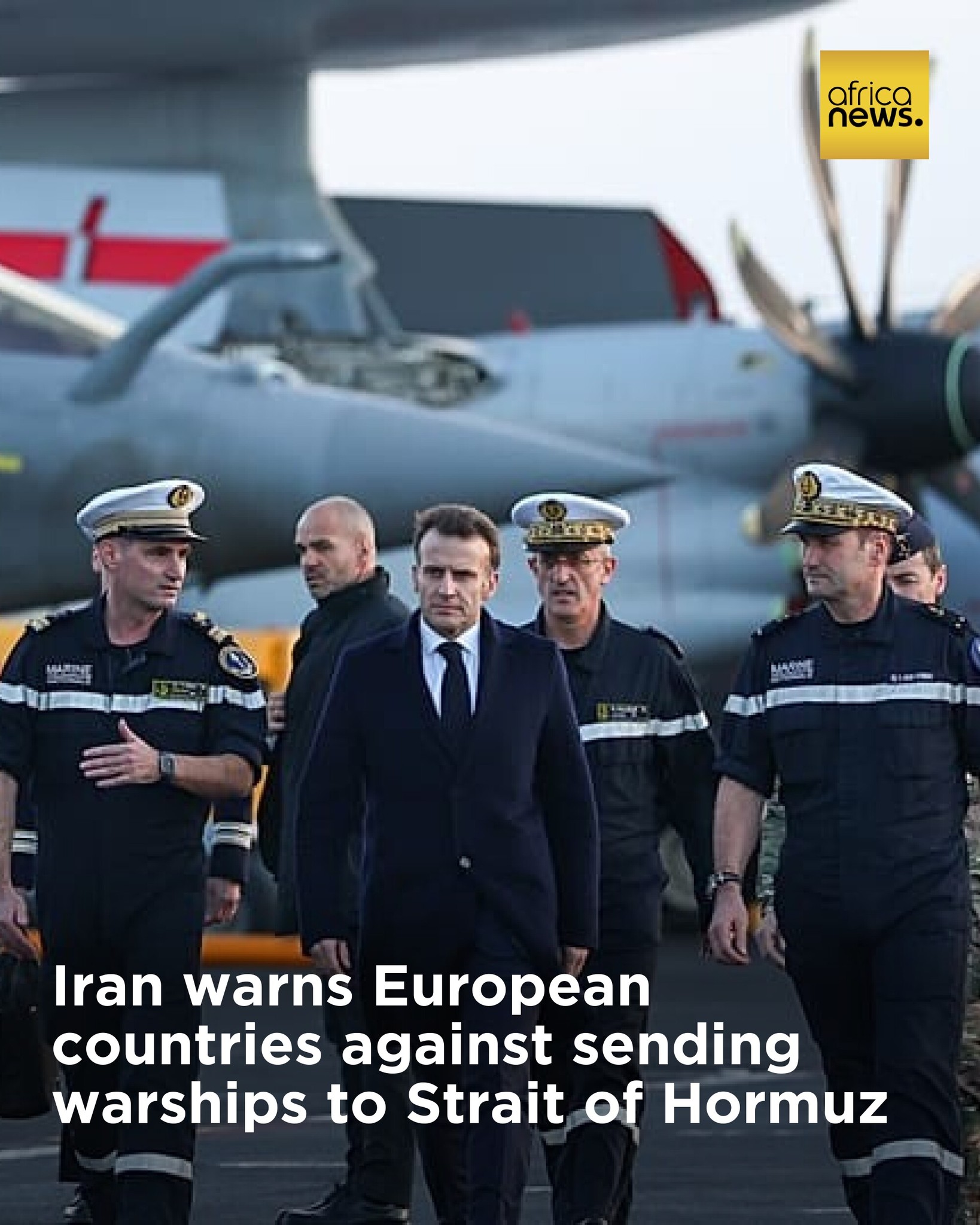
In a move signaling heightened friction in a volatile Persian Gulf, Iran has warned European countries on Monday against sending warships to the Strait of Hormuz. The message comes as international powers seek to tamp down a cycle of escalations that could disrupt global energy flows and roil markets worldwide.
Iran’s foreign ministry spokesperson Esmaeil Baghaei argued that any European involvement would only push energy prices higher and create additional complications to an already delicate situation. His comments were issued as European navies consider patrols to safeguard shipping lanes that have long been chokepoints for global oil supplies.
The broader backdrop remains a fraught diplomatic tango. On Sunday, US President Donald Trump slammed Iran’s response to his latest ceasefire proposal, calling it quote “totally unacceptable.” The exchange underscores a widening gap between Washington’s conditions for de-escalation and Tehran’s own terms.
According to reports, Tehran proposed an initial halt to hostilities linked to easing maritime restrictions, which would be followed by a 30-day period of nuclear discussions. Tehran has reportedly rejected an outright dismantling of its nuclear infrastructure, but has instead suggested diluting part of its highly enriched uranium and transferring remaining stockpiles to a third country. They also agreed to pausing enrichment activity, albeit for a much shorter duration than Washington had proposed.
Analysts say the European stance is delicate. While some allies argue that naval escorts are essential to safeguard international trade, others caution against actions that could be construed as provocation or forced mediation in a highly sensitive region.
Policy-makers in Brussels, London, and Paris are weighing the risks: a misread signal could provoke a broader confrontation, while inaction might invite continued market volatility and questions about the reliability of global energy supplies. As talks continue behind closed doors, the Strait of Hormuz remains a flashpoint with potential ripple effects far beyond its