


It’s finally decision time for Thomas Tuchel, who is set to name his final England squad for the 2026 World Cup. Tuchel’s brief for the role was quite simple when he began work in March 2025: ensure the Three Lions lift the trophy for the first time in 60 long years. Now, the German tactician must pick the 26 players who he believes can get the job done in North America as the tournament looms large. On Friday, Tuchel will cut a 55-man provisional squad down by more than half, and there are still plenty of key decisions that remain shrouded in uncertainty as the clock ticks down to his final announcement.
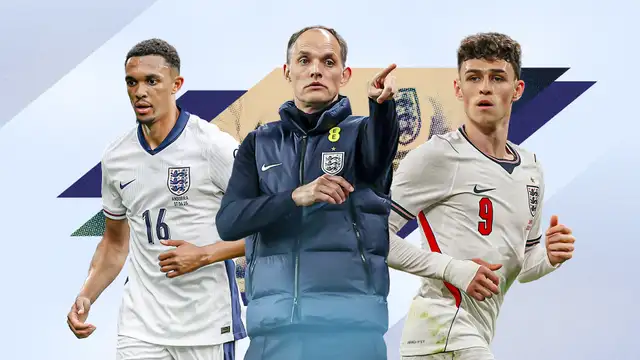
Here are the seven biggest selection decisions Tuchel faces, with a focus on Trent Alexander-Arnold, Phil Foden, and the broader balance of the squad.
1) The Trent Alexander-Arnold dilemma: does England need his offensive edge versus his defensive exposure?
Alexander-Arnold is one of the most electrifying attackers in world football, capable of twisting games with his delivery and vertical passes. But his defensive work and pressing in a World Cup setting are under the microscope. Tuchel must decide whether TAA’s attacking output outweighs potential vulnerabilities against top-tier wingers and central systems. If England plays a possession-heavy or high-pressing shape, Alexander-Arnold could thrive as a creative overload option. If the defense becomes more conservative to shield him, Tuchel may push him into a more selective role or even overlook him in favor of a more balanced alternative.
2) Phil Foden’s versatility: first-choice forward, or hybrid weapon?
Foden’s ability to function as a number 9, a winger, or a secondary playmaker gives Tuchel immense flexibility. The question is whether England needs a traditional striker or a fluid front line with Foden interchanging with Kane or a different frontman. The best use of Foden might be in a front-three with roaming responsibilities, but that requires precise understanding with teammates and a midfield that can support his off-ball movement. Tuchel must decide if Foden is the fulcrum of a dynamic attack or a valuable but situational option off the bench.
3) The striker conundrum: Kane’s successor vs. a new central profile
Harry Kane’s future is still a topic of debate in this cycle. If Kane is fit and firing, he remains England’s best pure scorer. If the plan is to transition, Tuchel must identify a credible alternative who can deliver in North America under the heat of a global tournament. The balance between experienced leadership and youthful energy will shape who leads the line, who provides pressing pressure, and who can stretch defenses in behind.
4) The midfield pivot: KDB-adjacent creators or a box-to-box engine
Tuchel’s midfield blueprint will be tested by several candidates who can offer creativity, ball progression, and defensive cover. Should England go with a deeper, more practical trio that protects the backline, or a more aggressive, box-to-box engine that feeds wide forwards and late runs? The decision will influence how much creativity is entrusted to players like Foden, Jack Grealish, or Marcus Rashford, and who sits in front of the back four as the anchor.
5) The full-back balance: TAA’s wingback role vs. more shielded options
Beyond Alexander-Arnold, Tuchel must decide on England’s full-back setup. The wing-back question pits attacking width against defensive reliability. A pacey left-back who can bomb forward with tempo might complement a right-sided creator, but if Tuchel wants more solidity, a more defensively reliable alternative could be preferred. This decision will ripple through the structure of the defense and the width of England’s attacks.