

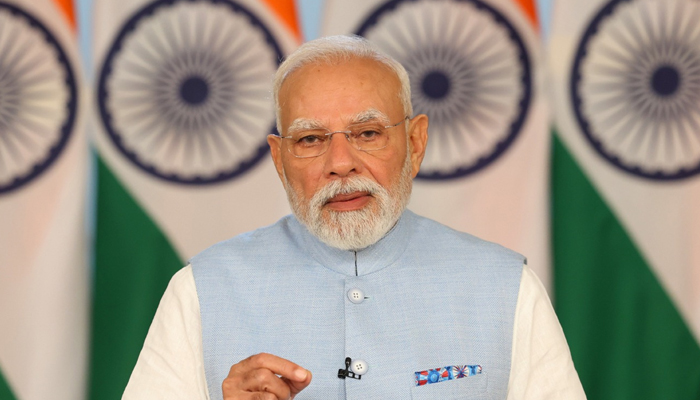
India’s sharpened stance against Pakistan has been a defining feature of Narendra Modi’s political rhetoric for years. Yet as the rhetoric grows louder, questions linger: has the push to isolate Pakistan actually worked in India’s favor, or has it backfired by emboldening regional adversaries and complicating regional diplomacy? A closer look suggests the latter.
India’s elevated rhetoric and high-decibel diplomacy
- Modi’s leadership has often framed Pakistan as a regional obstacle to stability and progress. In public rallies and international forums, the message has been clear: India will not be drawn into a status-quo that allows cross-border terrorism or diplomatic ambiguity to persist.
- The cadence of these statements—bold, binary, and designed for domestic resonance—has given India a strong domestic narrative: a nation taking a firm stand and demanding accountability.
The quote that crystallized the moment
- Thumping his fist on a lectern, Indian Prime Minister Narendra Modi issued a direct challenge to the leaders of Pakistan. “India has been successful in isolating you, and we will intensify those efforts,” he said, addressing a large rally of supporters in the southern Indian state of Kerala, as dusk set in. “We will make sure that you are isolated around the world.”
This line was a fulcrum moment for many observers: it framed India as a strategic isolator and Pakistan as a recipient of global diplomatic pressure. The immediate effect is a rallying cry at home, but the longer-term consequences ripple across borders and multilateral forums.
Why the strategy may have backfired
- Collective security and regional alliances: Isolation rhetoric can push Pakistan closer to other powers that stand to benefit from a multipolar regional order, such as China and various Middle Eastern and Central Asian states. That realignment can dilute Indian influence in sensitive corridors like energy, trade, and counterterrorism cooperation.
- Domestic cost, international nuance: While domestic audiences respond to strongman messaging, international diplomats often read a broader canvas. The push for isolation can be perceived as uncompromising, prompting external actors to hedge their bets rather than fully commit to a singular adversarial stance.
- Counter-messaging from Pakistan: A concerted effort to showcase Islamabad’s resilience and partnerships can neutralize the political gains of a hardline stance. When Pakistan highlights its strategic partnerships and regional stability efforts, it reduces the perceived impact of India’s diplomatic pressure.
- Economic and diplomatic spillovers: Isolationist rhetoric can complicate ongoing economic and humanitarian initiatives. Trade, energy cooperation, and people-to-people ties—already sensitive in a volatile subcontinent—may suffer collateral damage, hampering long-term growth and stability.
What a “backfire” looks like in practice
Domestic political consequences: If the domestic narrative hinges on enforcement of international pressure, any misstep or perceived failure to achieve stated diplomatic goals can fuel criticism and demand for a more measured approach.
Shifts in regional diplomacy: Pakistan may pursue new or deeper alliances, diversify its economic and security partnerships, and leverage forums where Indian influence is less dominant.
Multilateral pushback: Global powers and regional blocs might push for a more nuanced approach to conflict resolution, emphasizing dialogue, negotiations, and confidence-building measures rather than blanket isolation.