

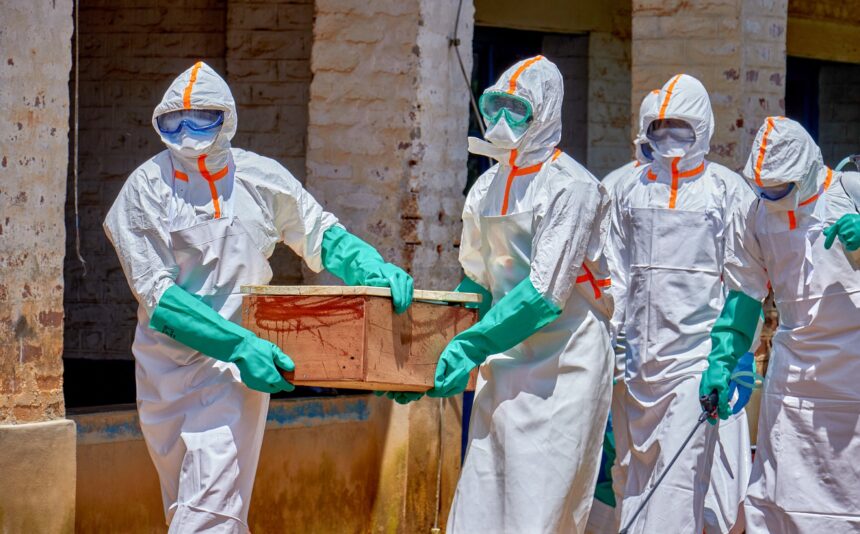
In the eastern corridors of the Democratic Republic of Congo, healthcare workers stand at a fragile crossroads: protect the community from deadly outbreaks while navigating the volatile emotions that surge when loved ones are involved. Recent unrest around an Ebola treatment centre in Mongwalu has exposed just how quickly fear can spill over into anger, and how authorities must balance security with compassion.
The heartbeat of the story can be read in one stark line: “Police in the east of the Democratic Republic of Congo fired shots in the air after angry crowds attempted to reclaim the bodies of loved ones who had died at an Ebola treatment centre in Mongwalu, two local journalists told the BBC. Sunday’s unrest continued throughout the day, the reporters said. The treatment centre, in a hospital compound, was the same place that was targeted overnight on Friday into Saturday, when an isolation tent was set ablaze.” This is more than a sequence of events; it’s a window into how communities cope with loss, stigma, and the fear of contagion.
What happened, and why it matters
- The incident centers on a desperate demand: families seeking closure and the right to bury their dead according to their customs. In places where Ebola carries a heavy stigma and where treatment centres symbolize both care and isolation, emotions run hot.
- The use of live fire, even if brief and intended to deter a crowd, underscores a dangerous reality: public health crises become security challenges when trust erodes. Safety and humanity often collide at the same moment.
- The repeat overnight targeting of the same site signals persistent tensions around isolation measures, perceived neglect, or misinformation that can feed cycles of anger and violence.
Why this matters for readers beyond the headlines
- Trust is a vaccine in times of outbreak. When communities trust health workers and authorities, patients seek care earlier, compliance with protocols improves, and transmission slows. The opposite breeds fear and resistance.
- The ethics of crowd control in health crises require careful calibration. Firearms are not the answer to containment. Alternative approaches—transparent communication, community liaison teams, safe and dignified handling of the deceased—reduce danger for all.
- The human face of Ebola is often overlooked: families who lose someone, healthcare workers risking exposure, and journalists attempting to chronicle events with accuracy. Each point in the chain has a role in turning a crisis into a controlled response.
Lessons for future outbreak responses
- Engage communities early. Use trusted local voices to explain why isolation, safe burials, and medical care are essential, and listen to legitimate concerns.
- Maintain dignified procedures for the deceased. Transparent, respectful handling can ease grief and reduce calls to reclaim bodies.
- Implement non-lethal crowd management. De-escalation, clear zones, and rapid medical support can prevent clashes without sacrificing safety.
- Provide visible protection for frontline workers. PPE, security where appropriate, and rapid response teams help reassure both staff and residents.
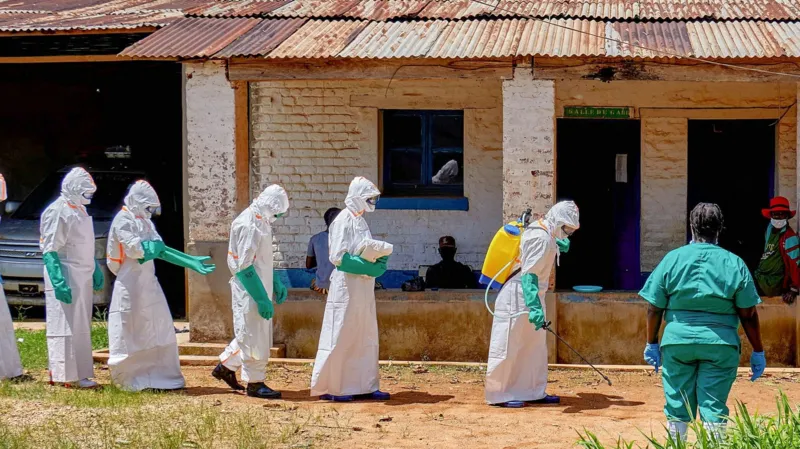
A call to action for policymakers and readers
- Prioritize clear communication strategies that reach diverse audiences in local languages and through trusted channels.
- Invest in community-centered frameworks for outbreak response that integrate cultural practices with public health safeguards.
- Support independent reporting and journalism in conflict-prone areas. Accurate, timely information helps communities understand risks and responses.