

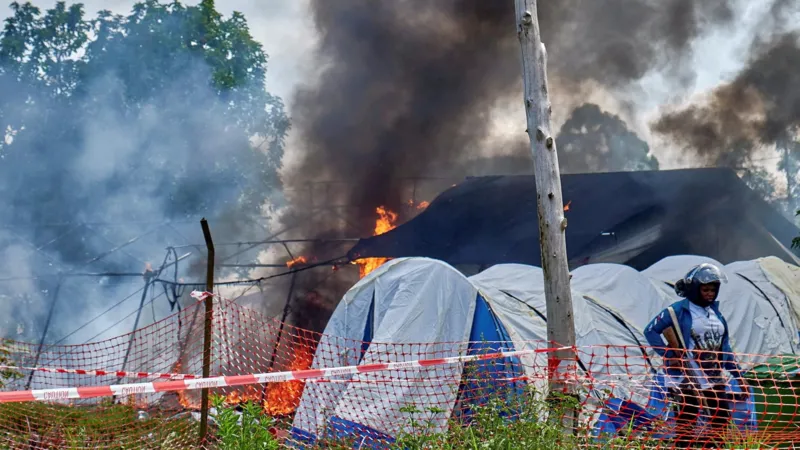
In the epicenter of a brutal outbreak, fear can fuel violence as quickly as the virus spreads. Recently, an incident underscored how fragile trust between communities and health responders can become under extreme pressure. An angry crowd set alight a section of a hospital at the epicentre of the Ebola outbreak in the eastern Democratic Republic of Congo after family and friends of a young man thought to have died from the virus were prevented from taking his body away for burial.
What happened—and why it matters
- The scene was a stark reminder that medical facilities on the front lines often operate under intense scrutiny and high emotions. When families believe they are being denied a final goodbye, the result can be combustible: fear, grief, and suspicion can collide with strict infection-control measures designed to save lives.
- The destruction targeted a place meant to heal and protect, revealing a paradox at the heart of outbreak response: in crisis, communities and responders share a goal—stopping the disease—but diverge on methods, timing, and communication.
- The incident amplifies the need for culturally sensitive procedures around death, burials, and caregiving in outbreak zones. Clear, respectful dialogue with families about burial rites, consent, and safety can help avert desperate decisions that escalate into violence.
Root causes behind the flare-ups
- Communication gaps: When information about isolation, testing, or burial processes isn’t transparent, rumors fill the void, fueling anger and mistrust.
- Grief and spiritual needs: The burial of loved ones is a sacred ritual. If procedures appear to strip families of closure, emotional spillover is almost inevitable.
- Trust in authorities: Past experiences with healthcare systems shape current responses. If communities feel marginalized or weaponized by responses, compliance wanes and anger rises.
- Resource strain: In outbreak zones, hospitals are stretched thin. Perceived neglect or prioritization can spark protests or retaliatory acts.
What can be learned for future responses
- Engage communities early: Co-create burial protocols with community leaders, religious figures, and families to align safety with cultural practices.
- Transparent risk communication: Use local languages, trusted messengers, and frequent updates to demystify procedures and reduce speculation.
- Dedicated grief support: Deploy psychosocial teams who can guide families through safe, respectful end-of-life rituals without compromising infection control.
- Safety without escalation: Train responders to de-escalate tensions, recognize triggers for violence, and establish rapid, peaceful channels for grievance redress.
A closing thought
Outbreaks are not only biological battles but social ones. The line between protection and precaution is delicate, and how we walk it can determine whether communities rise to help or become overwhelmed by fear. By centering empathy, clear communication, and cultural sensitivity, responders can transform moments of crisis into demonstrations of care—and prevent a tragedy from spiraling into further loss.
Quote to highlight
An angry crowd set alight a section of a hospital at the epicentre of the Ebola outbreak in the eastern Democratic Republic of Congo after family and friends of a young man thought to have died from the virus were prevented from taking his body away for burial.