
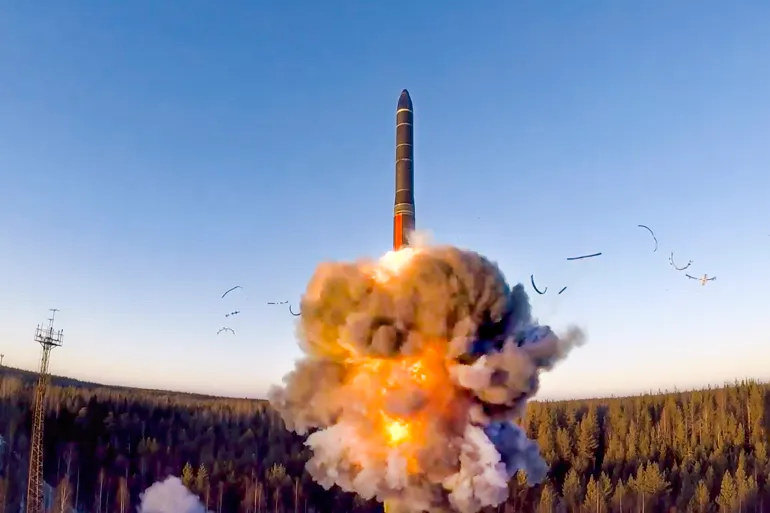
The latest numbers are hard to ignore. Global spending on nuclear weapons last year rose to an all-time high of $119bn, according to a report by nonproliferation advocates. The world’s nine nuclear-armed countries spent an additional $16.8bn on their arsenals in 2025 compared with the previous year, the International Campaign to Abolish Nuclear Weapons (ICAN) said in its latest report released on Tuesday.
What do these figures really mean?
- Policy consequence: With nearly $120 billion diverted into weapons programs, diplomatic funding, development aid, and climate resilience projects face pressure to compete for scarce resources.
- Strategic signaling: The year-over-year increase suggests that deterrence narratives and modernization cycles are accelerating, not slowing down, even as geopolitical tensions rise.
- Inequality lens: The vast majority of this spending goes toward a handful of states, spotlighting the imbalance between major powers and budding arms-control efforts.
ICAN’s takeaway is blunt but clear: this level of expenditure entrenches a costly status quo and makes the prospect of abolition more challenging. Yet the data also fuels a broader debate about risk, security guarantees, and the path to disarmament.
What’s driving the surge?
- Modernization programs: New delivery systems, upgraded warheads, and enhanced command-and-control networks.
- Geopolitical frictions: Regional rivalries and alliance commitments push states to bolster arsenals as a hedge against perceived threats.
- Economic inertia: Defense budgets are deeply entrenched in national security planning, and political cycles often favor visible, tangible projects.
What happens next?
- Policy windows: Paradoxically, higher spending can catalyze momentum for arms-control initiatives if international actors frame it as a shared transition away from existential risk.
-Transparency wins: More detailed, independent accounting can improve trust and reduce misperceptions that escalate crises.
-Public pressure: Civil society, media, and researchers can push for investments in climate, health, and education as counterweights to expensive armaments.
Bottom line
The record-high expenditure underscores a stubborn tension at the heart of global security: how to reconcile credible deterrence with a human-centered, risk-aware future. As ICAN and other advocates keep pressing for arms-control breakthroughs, the question remains open: can rising costs spur a path toward disarmament, or will they entrench a perpetual cycle of modernization?